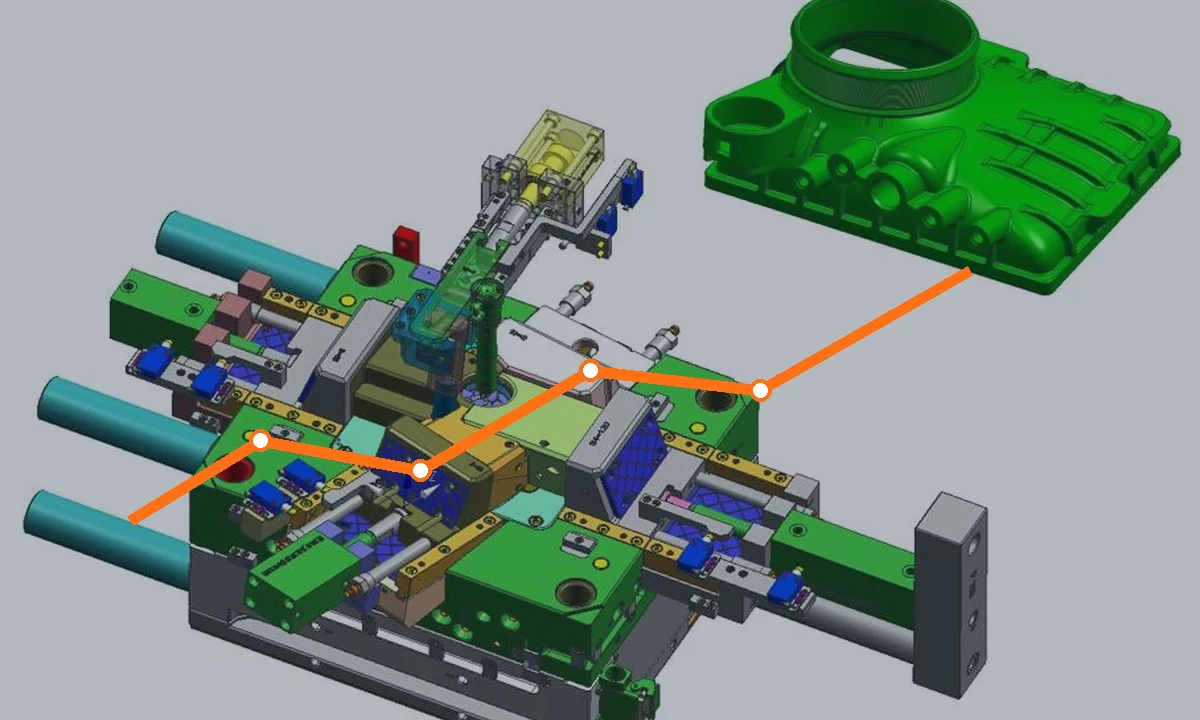
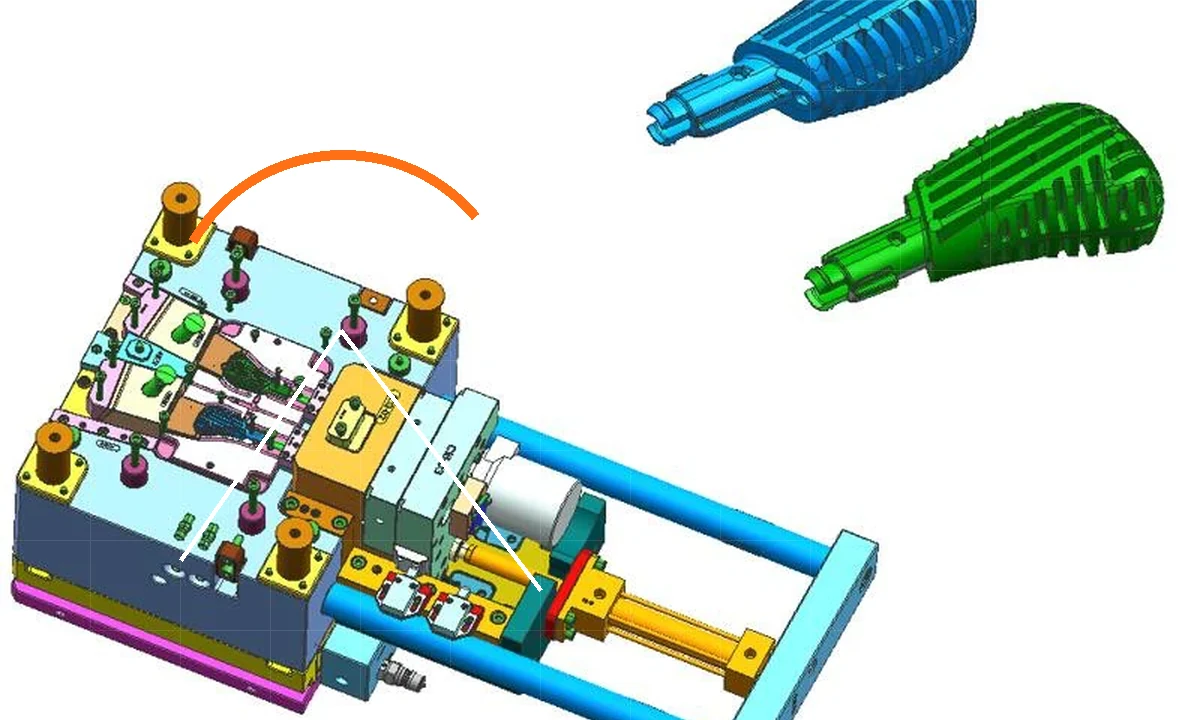
Gate Location Strategy for Thin-Wall Plastic Housings
A buyer-focused guide to gate type, flow length, pressure loss, weld lines and cosmetic risk for thin-wall plastic housings.
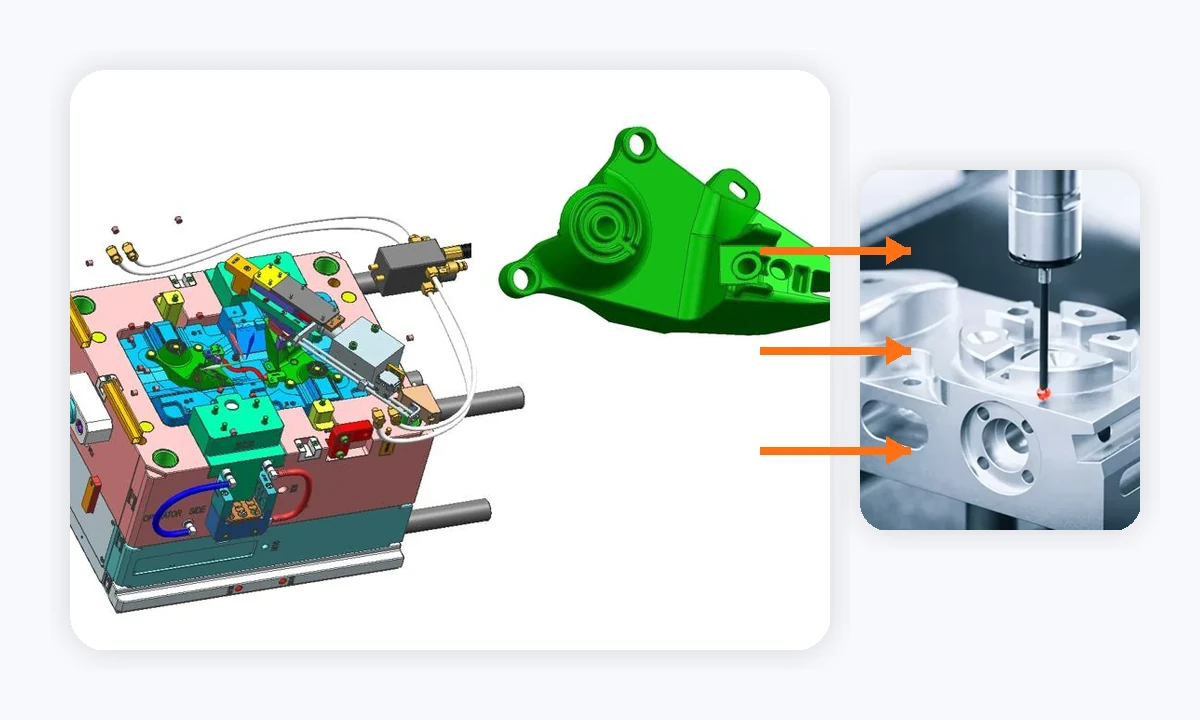
A buyer-focused guide to gate type, flow length, pressure loss, weld lines and cosmetic risk for thin-wall plastic housings. The practical value of gate location for thin wall injection molding becomes clear when a project moves from CAD files to physical samples. Choices that appear minor on screen can influence filling, cooling, ejection, inspection and assembly. A structured review helps the buyer and factory agree on the manufacturing target before cost and timing are locked.
- The central decision is how molten resin should enter the cavity so the housing fills consistently without creating avoidable cosmetic or structural problems.
- The review should connect product design, tooling, process and inspection instead of treating them separately.
- A clear RFQ makes technical assumptions visible before the project becomes expensive to change.
Why gate location for thin wall injection molding matters before tooling
The project team is ultimately deciding how molten resin should enter the cavity so the housing fills consistently without creating avoidable cosmetic or structural problems. That decision influences the quotation, the mold layout, the number of trial rounds and the amount of process adjustment needed later. When the requirement is not discussed early, the mold maker must fill the gap with assumptions. Those assumptions may be reasonable, but they may not match the buyer’s actual product, assembly or cosmetic expectations.
A stronger approach is to provide the latest controlled CAD data, a drawing that identifies critical features, the intended resin or performance target, estimated annual volume and a short explanation of how the part is used. These inputs help the factory separate functional requirements from preferences. They also make it easier to explain why a particular gate, steel, cavity count, mechanism or inspection method is being proposed.
Common risks that should be discussed
Most project delays do not come from one dramatic mistake. They come from several small decisions that were not aligned between product design, mold design and production. The following risks deserve specific discussion during DFM and quotation:
- a flow path that is too long for the selected resin and wall thickness.
- weld lines around windows, bosses or connector openings.
- gate vestige on a visible or sealing surface.
- unbalanced filling that contributes to distortion.
These risks are connected. A change made to improve appearance may affect ejection. A change made to simplify the mold may affect assembly. A change made to reduce unit cost may require a larger tooling investment. The right answer therefore depends on the program stage and the cost of failure, not on a universal rule.
Recommended engineering approach
A professional supplier should be able to show how the proposal moves from product requirement to manufacturing action. The following practices create a clearer and more reviewable route:
- review wall thickness together with resin flow behavior.
- place the gate near a region that can be packed effectively.
- keep expected weld lines away from loaded or sealing areas.
- consider fan, edge, tunnel or hot-tip gates based on appearance and trimming needs.
During this discussion, buyers should ask for reasons rather than only conclusions. For example, instead of accepting that a slider is required, ask which undercut creates the need and whether a small design change could remove it. Instead of accepting a premium mold steel, ask which resin, finish, wear area or expected shot life justifies the choice. This does not mean challenging every engineering decision. It means making sure the decision is tied to the product.
How the decision affects quotation and lead time
In a quotation, gate location for thin wall injection molding can influence mold design hours, machining, components, fitting, trials and expected modification allowance. It may also affect press size, cycle time, scrap risk and inspection labor. Two prices are only comparable when the underlying assumptions are comparable. A lower tooling figure can still create a higher total project cost if it leads to long cycles, repeated corrections, unstable quality or difficult maintenance.
Lead time should also be read as a sequence rather than one number. DFM approval, mold design, steel ordering, machining, fitting, T0, correction, T1 and production release are separate stages. When the buyer responds quickly to technical questions and provides organized sample feedback, the project moves faster without forcing the factory to skip necessary controls.
Sample approval and quality control
Compare fill pattern, dimensions, flatness and visible flow marks across several sample shots rather than judging only one part. The inspection plan should be agreed before samples arrive, especially when dimensions depend on conditioning, complex datums, cavity identity or assembly with other components. Visual requirements should use approved samples or clear photographs under defined lighting rather than vague descriptions such as “perfect appearance.”
T0 samples are often used to expose major tooling and filling issues, while later samples should demonstrate the agreed corrections and a more stable process. Buyers can reduce repeated loops by separating comments into functional failures, dimensional issues, cosmetic issues and preferences. Each point should identify the exact location, requirement and expected action.
Questions to include in the RFQ
- What assumptions are being made about gate location for thin wall injection molding?.
- Which part features create the highest tooling or production risk?.
- What design changes would improve quality or reduce total cost?.
- What is included in the mold price, trial plan and sample report?.
- How will the critical requirement be checked during T0, T1 and production?.
- What information is still missing before the quotation can be considered reliable?.
Good suppliers usually ask more questions at the beginning, not fewer. A fast quotation with no technical clarification may be useful as a rough budget, but it should not be mistaken for a fully reviewed manufacturing plan. The objective is not to create paperwork. It is to reduce the chance that buyer and supplier are pricing different versions of the project.
Practical buyer checklist
- Share the latest 3D model and a controlled 2D drawing.
- Mark critical dimensions, cosmetic surfaces and assembly interfaces.
- Confirm resin grade or describe the required performance.
- Provide realistic annual demand and first-order quantity.
- Agree on sample-review responsibilities and timing.
- Keep a written record of approved assumptions and revisions.
For a project-specific review, visit the Moldinno RFQ page and share the available CAD files, material direction, volume and critical requirements. The first step is to determine what is clear, what is missing and which manufacturing route deserves further evaluation.
Send drawings for a practical factory review.
Share CAD files, material targets, quantities and cosmetic requirements. Our team can review moldability, tooling risks, quotation scope and production evidence before commitment.
Start RFQ ReviewContinue with buyer-focused guides