DFM & Tooling Scope
Review draft, wall thickness, undercuts, parting line, gate direction, resin, volume and acceptance criteria.
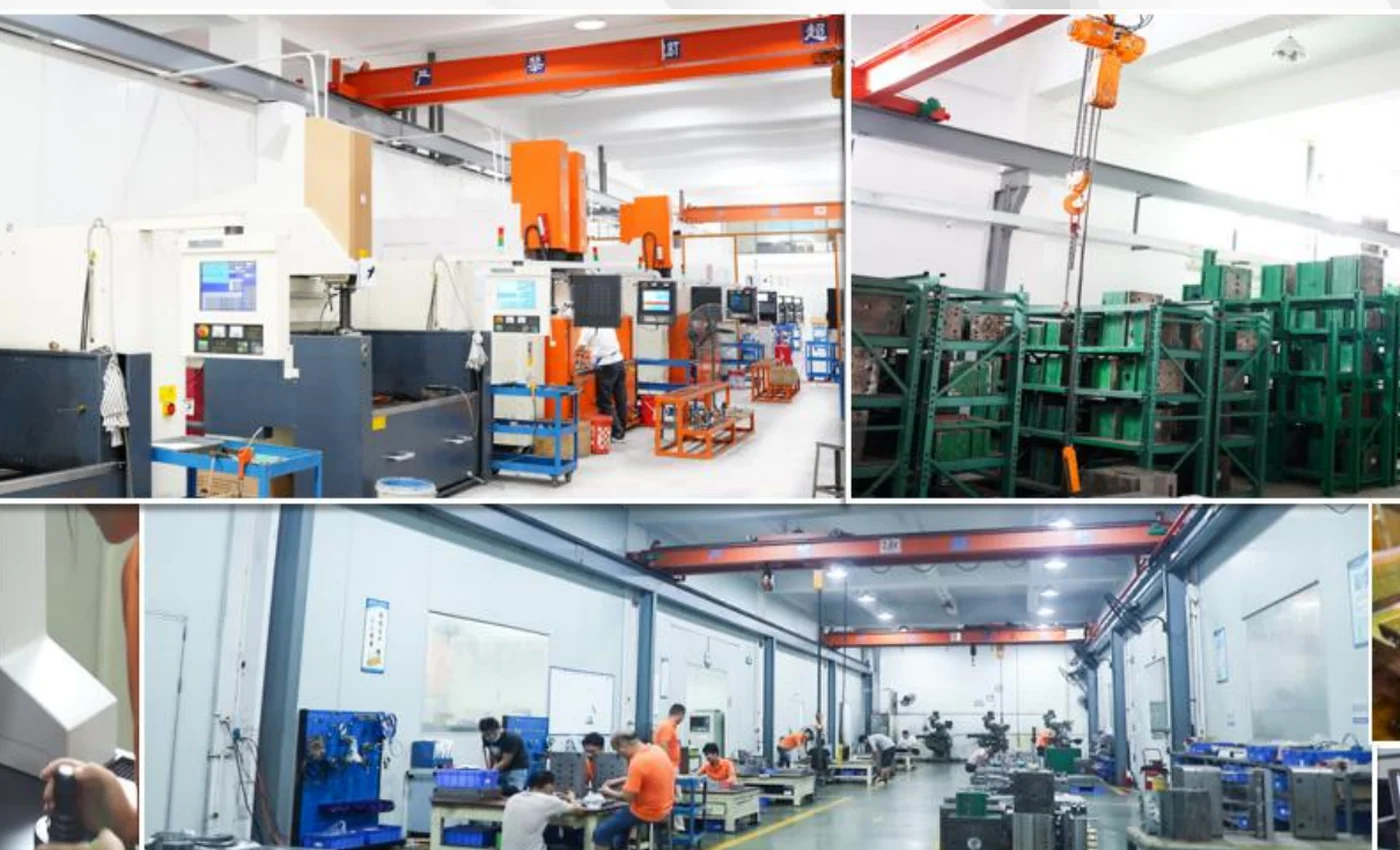
Tooling decisions affect sample quality, cycle time, maintenance and long-term part cost. Moldinno supports DFM, mold design, machining, fitting, trial samples and production readiness through one factory workflow.

A reliable mold program starts with clear assumptions, then moves through design, machining, assembly, trial and sample approval.
Review draft, wall thickness, undercuts, parting line, gate direction, resin, volume and acceptance criteria.
Confirm cavity layout, inserts, sliders, lifters, cooling, ejection, runner system and mold base standard.
CNC, EDM, wire cutting, heat treatment, polishing, fitting and assembly are completed against the approved design.
T0/T1 samples are reviewed for filling, dimensions, appearance, assembly and required mold corrections.
Prototype, bridge and production tools should not be compared using the same assumptions.
A useful mold quote should make the major assumptions visible, not hide them behind one total price.
Recommended according to resin, surface, expected tool life, corrosion and wear risk.
Designed around thick sections, flatness, cycle time, sliders, lifters and cosmetic surfaces.
Lead time, sample quantity, inspection scope and correction responsibilities should be clear.
It depends on resin, production volume, finish, corrosion, wear and maintenance expectations. We explain the reason behind the recommendation.
The number varies by part complexity and approval requirements. The first trial should create a clear issue list and correction plan.
Standard component and mold-base requirements can be reviewed during quotation so replacement and maintenance expectations are aligned.
Export tooling requirements, lifting, cooling connections, spare parts, documentation and packing should be confirmed before release.