Appearance
Review scale, form, color direction, ergonomics and customer-facing details.
A prototype should answer a specific product question. We help compare 3D printing, CNC machining, soft tooling and bridge molding according to design maturity and test requirements.
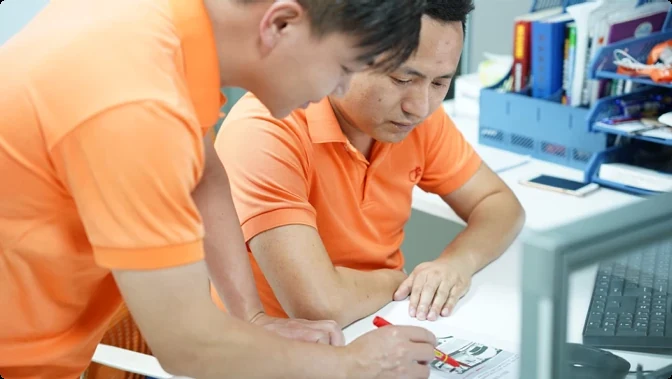
The same prototype is not ideal for appearance review, functional testing, investor samples and production validation.
Review scale, form, color direction, ergonomics and customer-facing details.
Check interfaces, mating parts, fasteners, clips and component clearances.
Test load, movement, sealing, heat, chemicals or other real-use conditions.
Identify design changes that should happen before mold design and steel cutting.
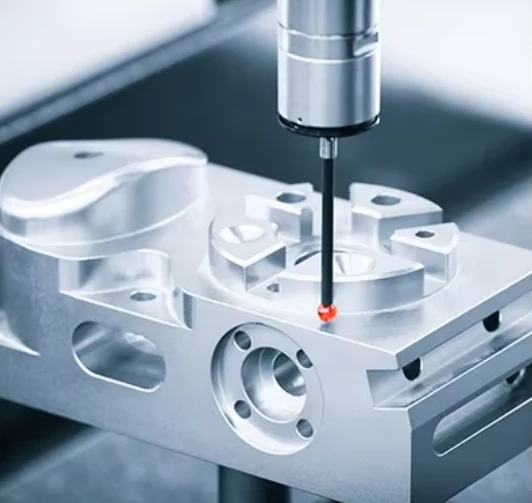
Clear test objectives reduce unnecessary cost and prevent the team from approving the wrong characteristics.
Explain what is fixed and what may still change.
List appearance, assembly, dimensional or functional checks.
Share the expected route after the prototype succeeds.
Not always. A stable design with clear requirements may go directly to DFM and tooling. Prototyping is valuable when it reduces a specific uncertainty.
It can support appearance review, but molded texture, gate marks and resin behavior may still differ from a prototype process.
Yes. Send the CAD, application, test objective, quantity and target timing so we can compare practical options.
We can move into DFM, mold quotation, production tooling or bridge supply according to your plan.