Complexity and mechanisms
Undercuts, sliders, lifters, tight ribs, thin walls, deep cavities and cosmetic surfaces can increase machining, fitting and trial time.
Understand the trade-offs behind tooling cost, unit price, lead time and production stability before comparing quotations.
Mold price and part price are connected. A lower mold price can sometimes increase part cost, cycle time, maintenance risk or sample correction cost.
We use quotation review to clarify the practical assumptions behind tooling, part geometry, material, production volume, inspection and export packaging.
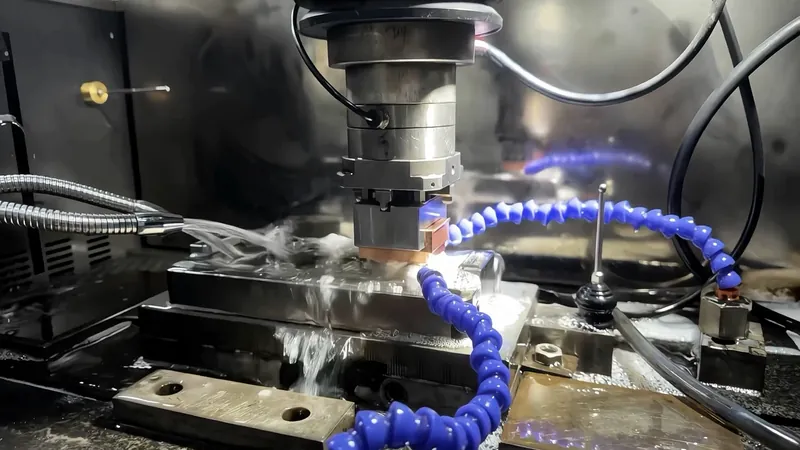
Undercuts, sliders, lifters, tight ribs, thin walls, deep cavities and cosmetic surfaces can increase machining, fitting and trial time.
P20, 718H, NAK80, S136 or H13 should be selected based on resin, volume, polish, corrosion and wear requirements.
Cavity number, cooling efficiency, part weight and automation needs affect unit price and delivery capacity.
Glass-filled, high-temperature, transparent or corrosive materials usually require more careful tooling and processing control.
Critical dimensions, FAI, functional checks, cosmetic standards and traceability requirements should be known before quotation.
Fragile parts, finished appearance, cartons, pallets and mold export protection can affect practical project cost.
A project should be evaluated by total manufacturing cost, not only the initial tool price.
More cavities increase tooling complexity and machine requirements, but can produce more parts per cycle when demand supports it.
Yes. Reducing unnecessary undercuts, thick sections, secondary operations and difficult tolerances can lower tool and production cost.
Machine time is a recurring cost. Cooling, wall thickness, resin and part ejection all influence the cycle.
Only after comparing scope, steel, mold life, samples, inspection, packaging and open engineering risks on an equivalent basis.
Send drawings and target volume. We will review which cost factors matter most for your project.