1. Share files
CAD, drawings, material direction, quantity and critical requirements.
These anonymous cases show how a part moves from CAD file to production: share files, review DFM, validate samples and release production.
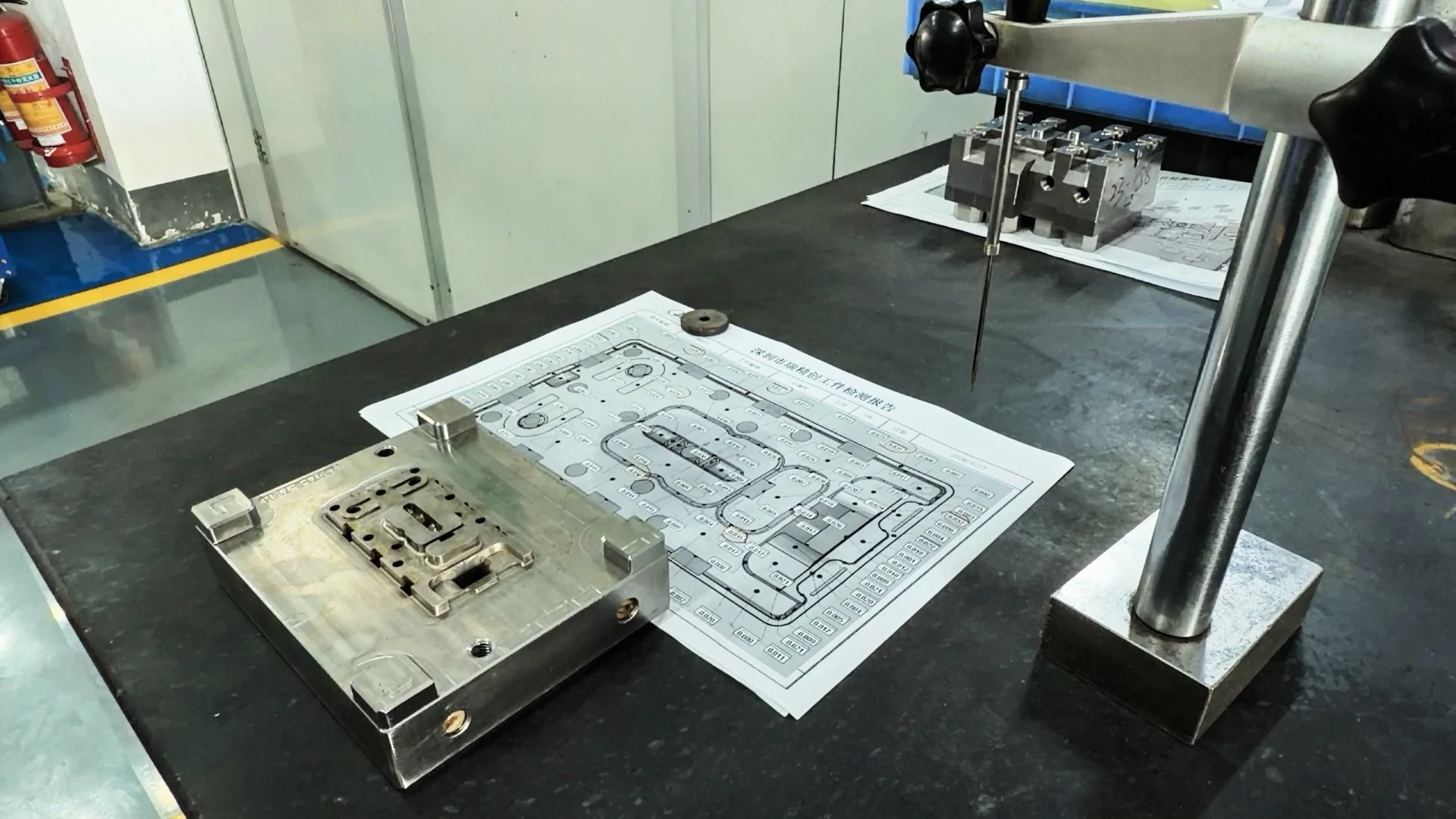
CAD, drawings, material direction, quantity and critical requirements.
Confirm moldability, open questions and the appropriate tooling route.
Review T0/T1 dimensions, appearance, assembly and function.
Proceed with molding, inspection, packaging and shipment.
Customer names and drawings are protected, but the manufacturing logic is practical.

DFM corrected wall imbalance, gate location and rib draft before T1 samples passed assembly checks.
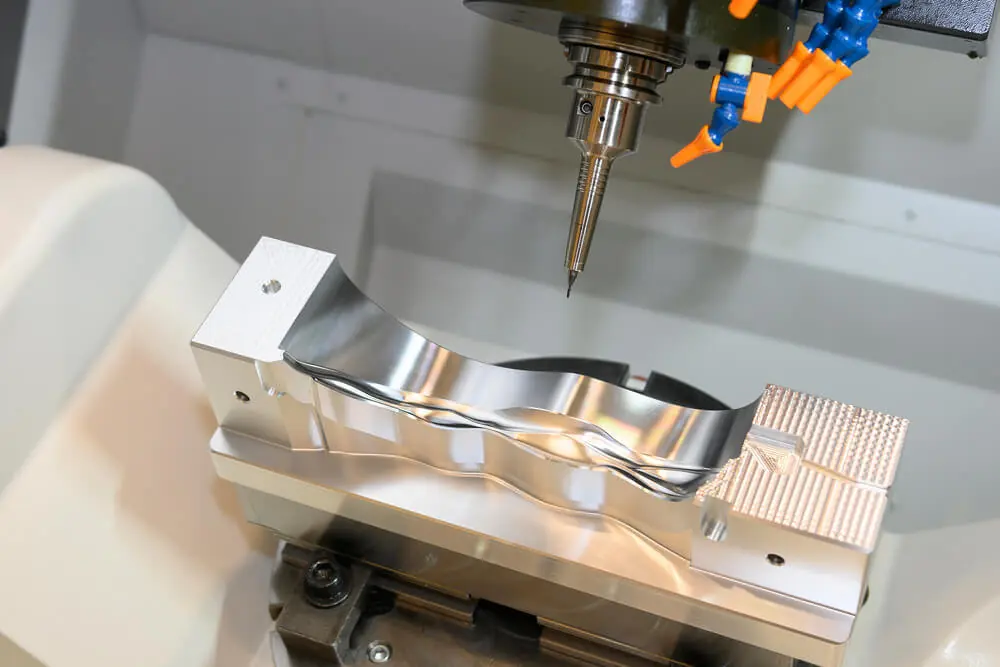
Cooling, process window and measurement records were rebuilt after another supplier could not stabilize production.

Prototype validation found two design changes before production mold investment, avoiding later modification cost.
The factory asked questions before quoting, and those questions were connected to the part. Good DFM identifies what is missing before tooling money moves.
3D or 2D drawings, ideally the latest controlled CAD data.
Preferred resin grade or performance requirement.
Realistic annual demand and first order expectation.
Dimensions, surfaces, assembly areas or test requirements that matter most.