Application environment
Temperature, liquid contact, sterilization, chemical exposure, pressure, load and expected service life.
PPSU is not a commodity-plastic project. It requires careful DFM, material drying, mold-temperature control, gate planning, trial validation and quality documentation. Moldinno supports PPSU parts from engineering review to tooling, molding and production release.
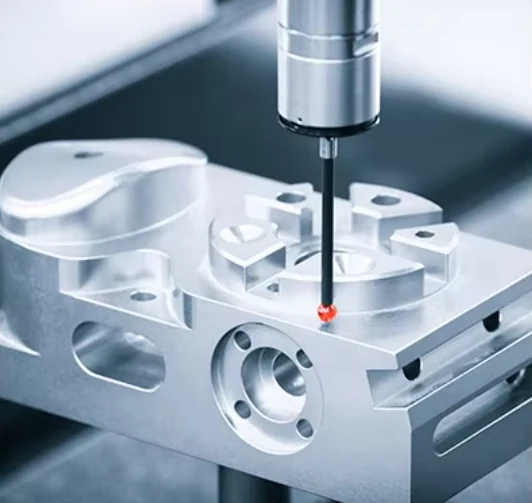
PPSU is commonly considered when molded parts need stronger heat resistance, toughness, hydrolysis resistance, chemical resistance or repeated sterilization performance than many common plastics can provide.
For buyers, the key question is not simply “Can you mold PPSU?” The better question is: can the supplier review the part design, mold structure and processing risk before opening a mold?
Built for purchasing managers, product engineers and project owners who need a safer PPSU tooling decision.
Temperature, liquid contact, sterilization, chemical exposure, pressure, load and expected service life.
Transparent, opaque, medical, food-contact, flame-retardant or application-specific PPSU grade direction.
Wall thickness, ribs, bosses, corner radius, flow length, undercuts, ejection surfaces and stress-sensitive areas.
Gate position, runner type, venting, mold temperature control, cooling balance, polishing and texture requirements.
Material drying, melt temperature, residence time, injection speed, packing, cooling and clean material handling.
T0/T1 sample inspection, dimension trend, appearance review, functional testing and approval standards before production.
PPSU material cost and mold requirements are higher than commodity plastics. Poor drying, weak venting, uncontrolled mold temperature or a risky part structure can create defects that are expensive to correct after tooling.
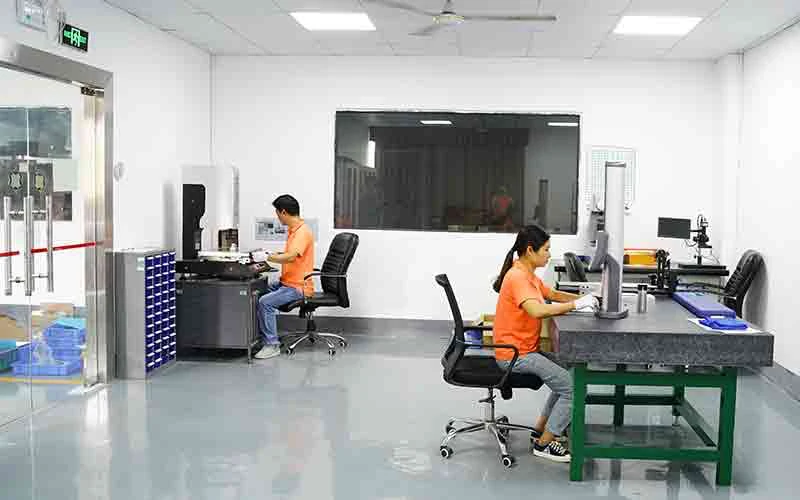
A PPSU part should be reviewed with tooling structure and sample validation in mind, not only material selection.
Gate location and runner direction should support filling stability while reducing appearance and stress concerns.
High-performance materials need careful venting to help avoid trapped gas, burn marks and poor filling.
Temperature balance affects appearance, shrinkage, warpage and repeatability during sample trials and production.
Ejection points should avoid stress concentration, visible marks and deformation on critical surfaces.
Transparent or visible PPSU parts may need more careful polishing, texture and sample approval standards.
T0/T1 samples should be checked against dimensions, appearance, function and application-specific requirements.
Exact grade and compliance requirements should be confirmed for each project. These are common use directions for PPSU molded parts.
For parts where repeated cleaning or sterilization is part of the use environment.
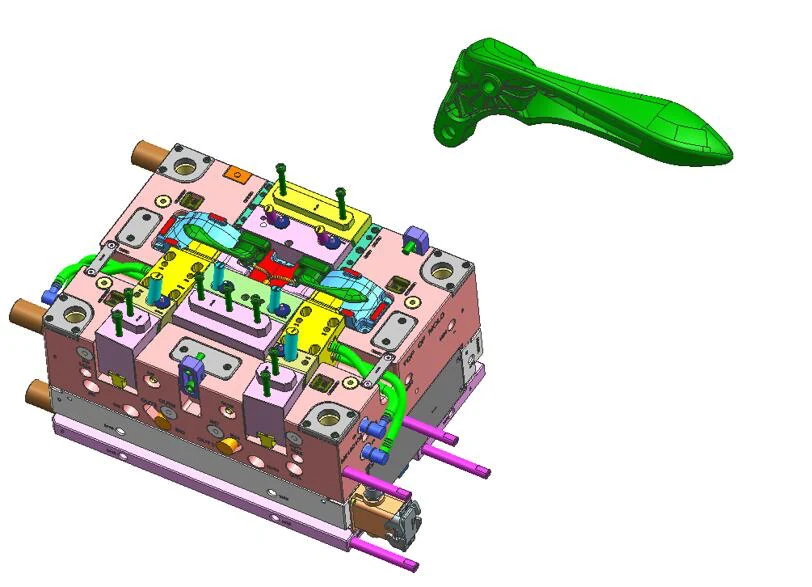
For parts where heat, liquid contact and dimensional stability matter.
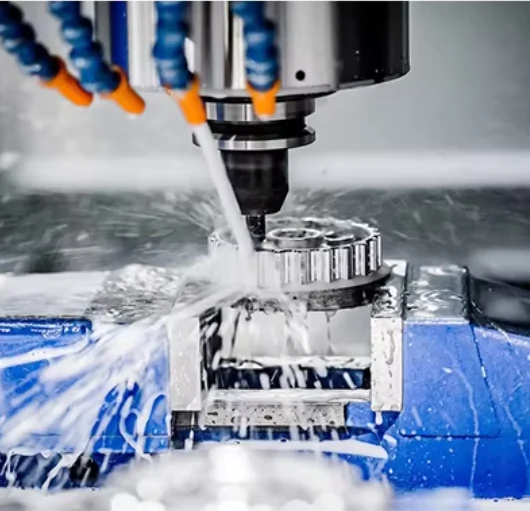
For parts exposed to heat, chemicals, hydrolysis or mechanical stress.
Because PPSU material and tooling risk are higher than common plastics, complete RFQ information helps avoid blind pricing and underdefined risk.
No. It depends on application temperature, chemical exposure, mechanical load, sterilization, cost target and grade availability. We recommend confirming the use case before final material selection.
PPSU material cost, drying needs, high-temperature processing, mold-temperature control and sample validation can all make the project more demanding than common plastics.
Yes. We can start with reference samples, photos, functional requirements and target material direction, then discuss drawings and tooling feasibility.
Send your CAD files, material target and application requirements. We will review molding feasibility, tooling risks and quotation assumptions.