Part structure
Wall thickness, ribs, bosses, sharp corners, undercuts, screw posts, clips, snap fits and assembly features.
Good injection molding projects start before mold steel is cut. Moldinno reviews your drawings, material direction, part structure and production assumptions so you can reduce tooling risk before committing budget.
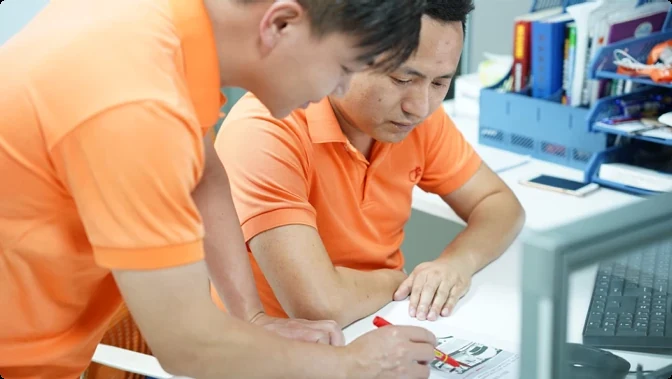
Many sourcing mistakes happen because a supplier quotes quickly without understanding the part. We use DFM review to identify questions that affect mold cost, sample success, part stability and production repeatability.
For overseas buyers, this gives a clearer basis for comparing quotations. It also helps your engineering, purchasing and management teams understand what is included, what still needs confirmation and where the risk sits.
A practical DFM review focuses on the details that affect tooling decisions, trial samples and production stability.
Wall thickness, ribs, bosses, sharp corners, undercuts, screw posts, clips, snap fits and assembly features.
Draft angle, parting line, ejection method, slider/lifter needs, gate location and visible surface concerns.
ABS, PC, PP, PA, POM, TPU, PPSU and other materials are reviewed against application, heat, strength and cost.
Critical dimensions, assembly fit, deformation risk, shrinkage direction and how inspection should be controlled.
Texture, SPI finish, painting, printing, visible surfaces, weld-line sensitivity and cosmetic acceptance criteria.
Target quantity, mold life, cycle expectation, packaging, shipment, documentation and testing requirements.
The more accurate the RFQ package is, the more useful our feedback becomes. If drawings are not ready, send samples, reference photos or a functional description first.
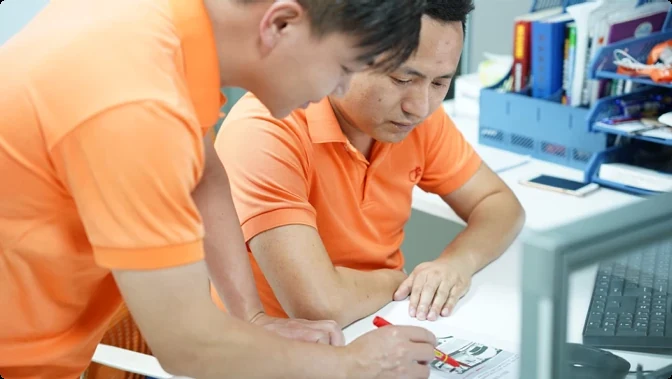
We do not turn every RFQ into a long report. We first provide clear, practical feedback that helps you decide the next step.
We highlight missing information that may affect quote accuracy, tooling direction or production feasibility.
We identify visible design risks such as wall thickness imbalance, undercuts, thin features, ejection difficulty or cosmetic concerns.
We suggest prototype, CNC, soft tooling, production mold or full molding route according to your project stage.
We clarify what the quotation is based on: material, quantity, mold structure, surface finish, packaging and lead time.
We explain the likely sample path from tooling to T0/T1 review, modification and final approval.
We help define whether the project should move to quotation, prototype validation or design adjustment first.
Upload drawings and project requirements. We will check the manufacturability risks and quotation assumptions before mold making starts.