PPSU vs PEEK vs PA: Which Engineering Resin for Your Part?
Compare PPSU, PEEK and PA for injection molding projects, including heat resistance, sterilization, toughness, cost and mold design impact.

Direct answer: choose PPSU when you need heat resistance, transparency, sterilization and toughness; choose PEEK when you need the highest mechanical and thermal performance under load; choose PA when you need a cost-effective engineering plastic for structural parts at moderate temperatures.
| Property | PPSU | PEEK | PA / Nylon |
|---|---|---|---|
| Heat resistance | High | Very high | Moderate to high by grade |
| Transparency | Possible | No | Usually no |
| Sterilization | Excellent | Good | Limited due to moisture |
| Mechanical strength | Good impact toughness | Excellent strength and stiffness | Good, especially glass-filled grades |
| Cost | High | Very high | Lower |
When PPSU fits
PPSU is common in medical and food-contact applications that need sterilization, toughness and dimensional reliability. It is often selected when transparency and repeated steam sterilization matter.
When PEEK fits
PEEK is chosen when temperature, chemical exposure and mechanical load exceed the capability of other engineering plastics. It is expensive, so the performance need must justify the material and processing cost.
When PA fits
PA is widely used for brackets, gears, housings and structural components. Glass-filled nylon adds stiffness and strength, but fiber orientation, moisture absorption and warpage must be managed in DFM and inspection.
What changes in mold design
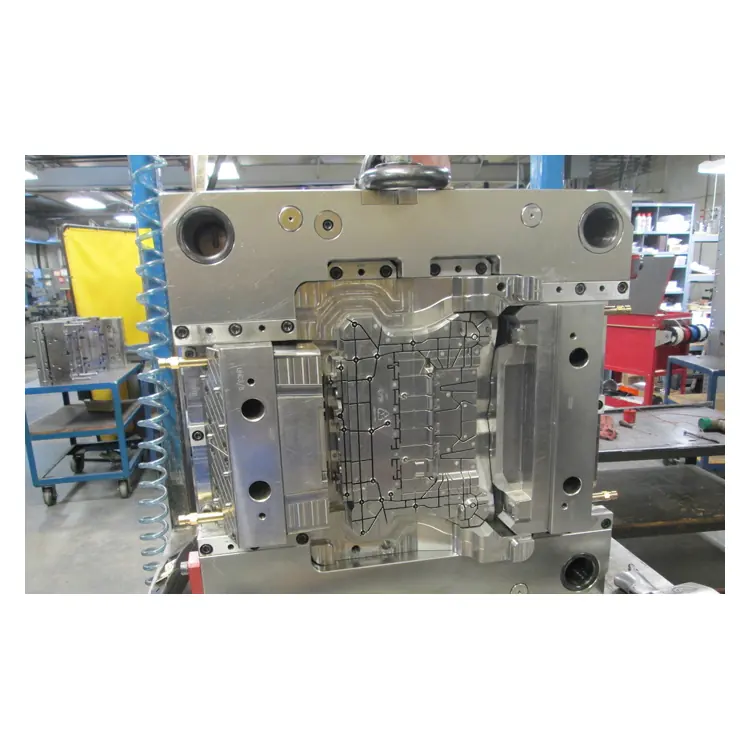
Changing resin is not a simple purchasing switch. Melt temperature, shrinkage, flow, drying requirements, gating and venting may all change. If the material changes after tooling, the mold design may also need correction.
FAQ
Is PPSU stronger than PEEK?
PEEK is stronger and stiffer at high temperature; PPSU is tougher and can be transparent.
Does nylon absorb water?
Yes. Moisture affects dimensions and properties, so drying and conditioning should be planned.
Send drawings for a practical factory review.
Share CAD files, material targets, quantities and cosmetic requirements. Our team can review moldability, tooling risks, quotation scope and production evidence before commitment.
Start RFQ ReviewContinue with buyer-focused guides