Material control
Grade, lot information, color and application-specific compliance should be defined.
Support for non-implant housings, accessories and functional components where material identity, cleanliness, traceability and approval discipline are important.
Part suitability depends on geometry, material, quality requirements and expected volume.
Depending on use, projects may consider PC, ABS, PC/ABS, PP, PPSU and other approved grades. Regulatory suitability remains application-specific.
Grade, lot information, color and application-specific compliance should be defined.
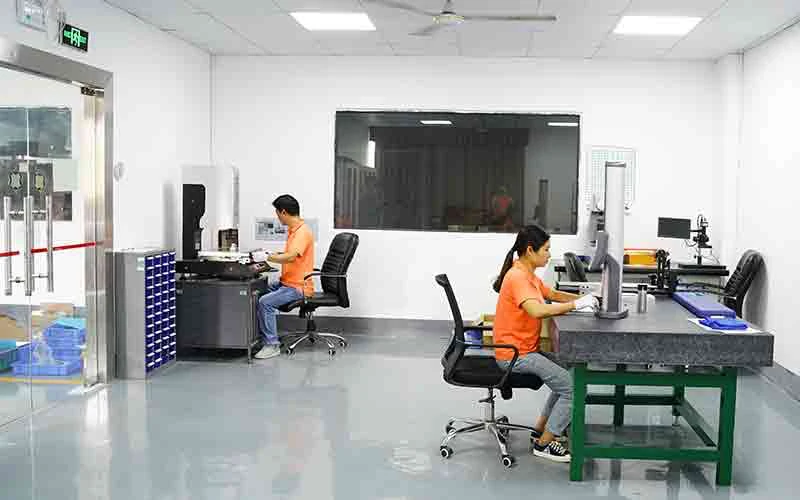
Part handling, inspection and packaging expectations should be discussed before production.
Critical features and inspection methods should be agreed with the buyer.
Material, process and tooling changes should follow an agreed communication process.
Medical and healthcare applications vary widely. The buyer should clarify product classification, intended use, regulatory responsibilities and any cleanliness, sterilization or traceability requirements.
Specify the approved manufacturer, grade, color, additives and documentation needed. Substitutions should not occur without written approval.
Handling, inspection, bagging, labeling and packaging expectations should reflect the product's cleanliness and damage-control needs.
Approved samples, critical dimensions, process records and change-notification requirements should be agreed before production release.
No. A quality system supports controlled processes, but final product compliance depends on the device, material, design, validation and applicable regulations.
Projects can be reviewed for resin drying, mold temperature, tooling steel, dimensional stability and validation needs.
Traceability may include material lots, production batches, inspection records and packaging labels. The required level should be specified in the RFQ.
The buyer should define the sterilization method and validation standard. We can discuss material and manufacturing implications, but final validation remains application-specific.
Case examples are presented without disclosing confidential customer information.