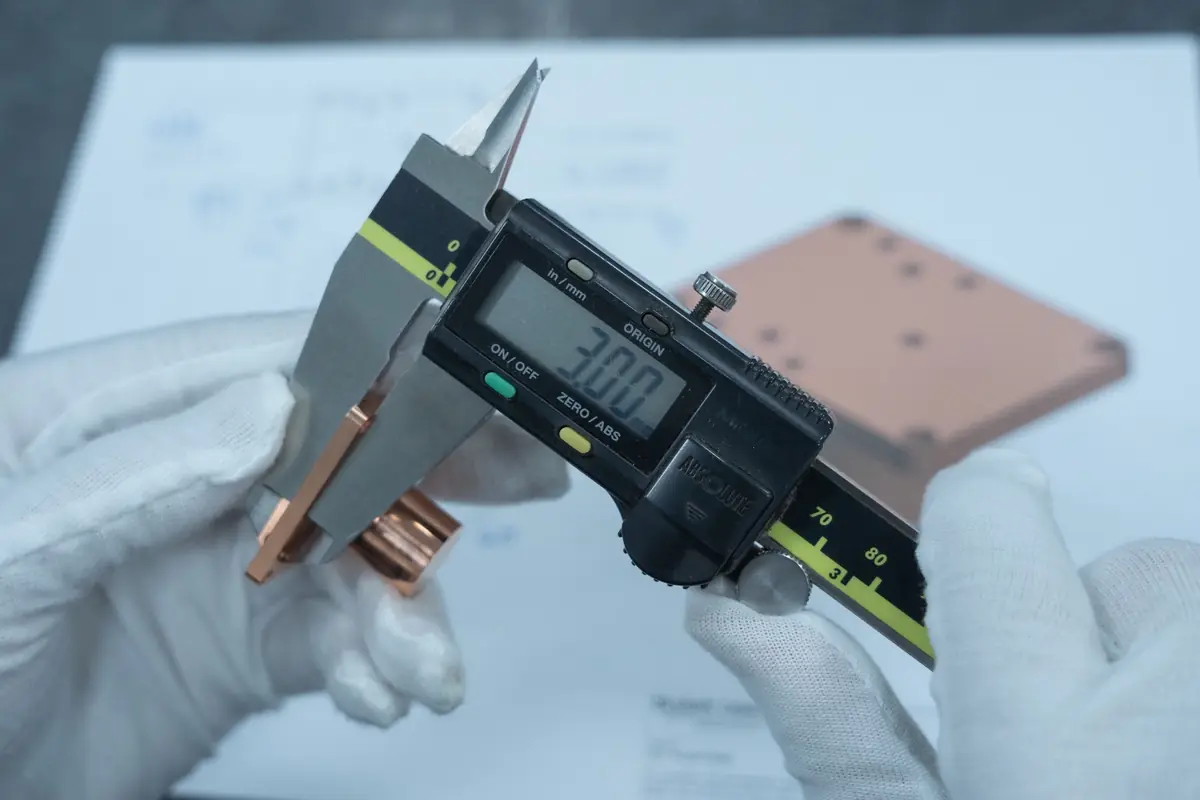
How to Review T0 and T1 Injection Mold Samples
A structured sample-approval method covering appearance, dimensions, assembly, process stability and correction priorities.
Practical content about DFM, tooling, sampling, materials and RFQ preparation — written to support real project decisions.

These guides are built for overseas buyers comparing factories, preparing RFQs and deciding whether to open production tooling.
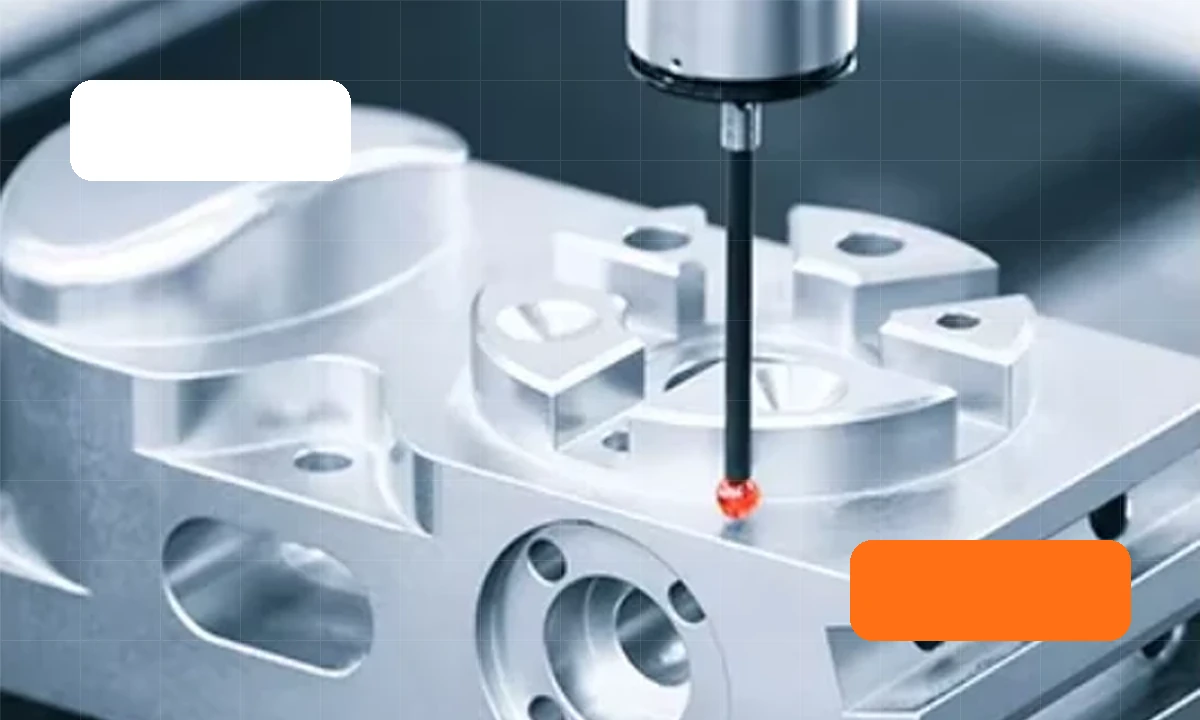
A structured sample-approval method covering appearance, dimensions, assembly, process stability and correction priorities.

How geometry, fiber orientation, packing, cooling and ejection combine to create warped plastic parts.
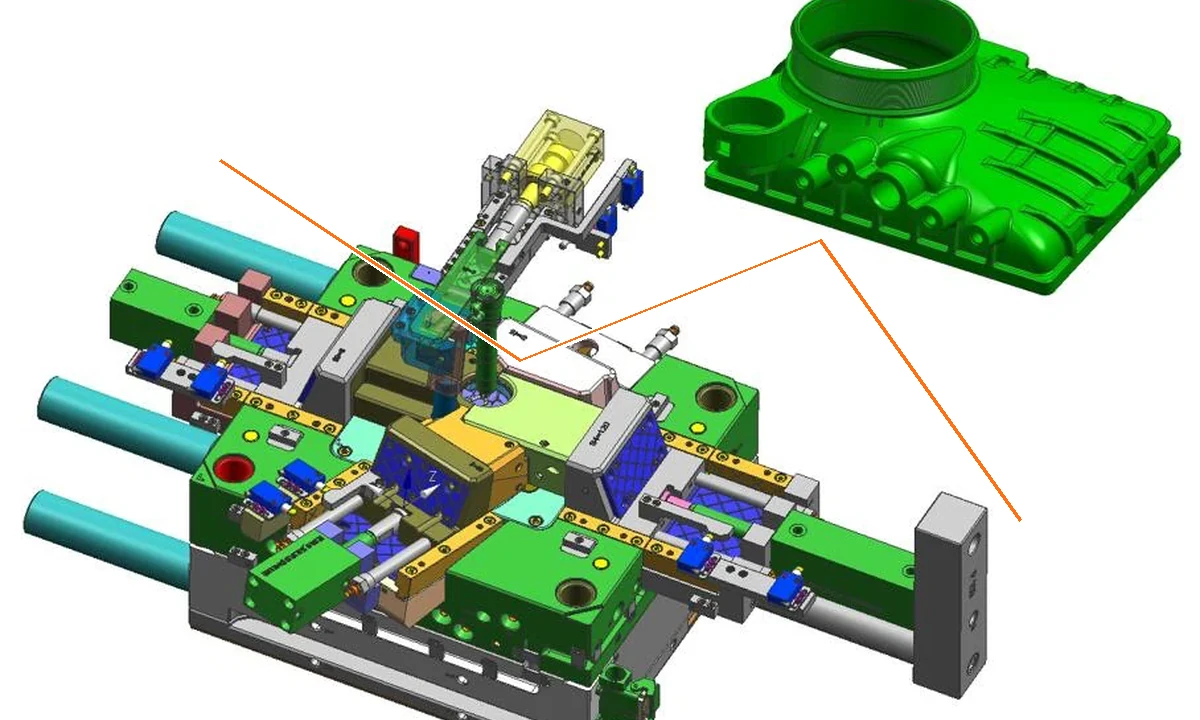
Why weld lines form, when they are cosmetic only, when they reduce strength and how design and tooling decisions can move them.
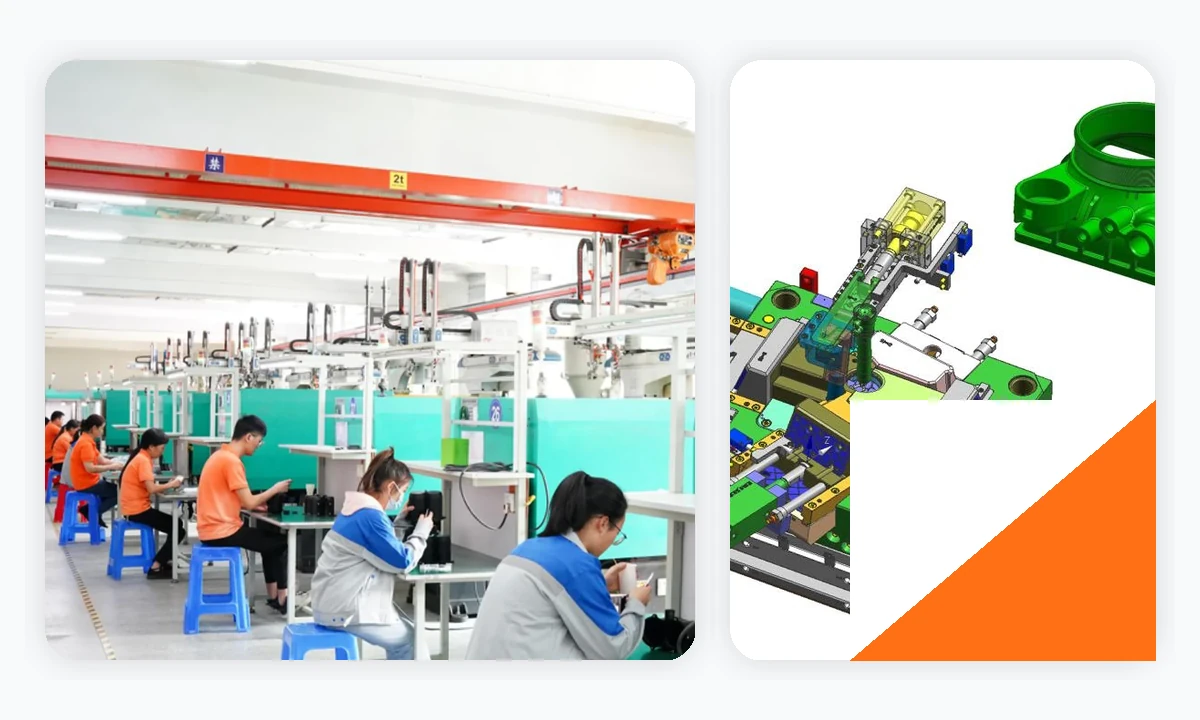
How to separate design, venting, material, machine and process causes when a cavity does not fill completely.
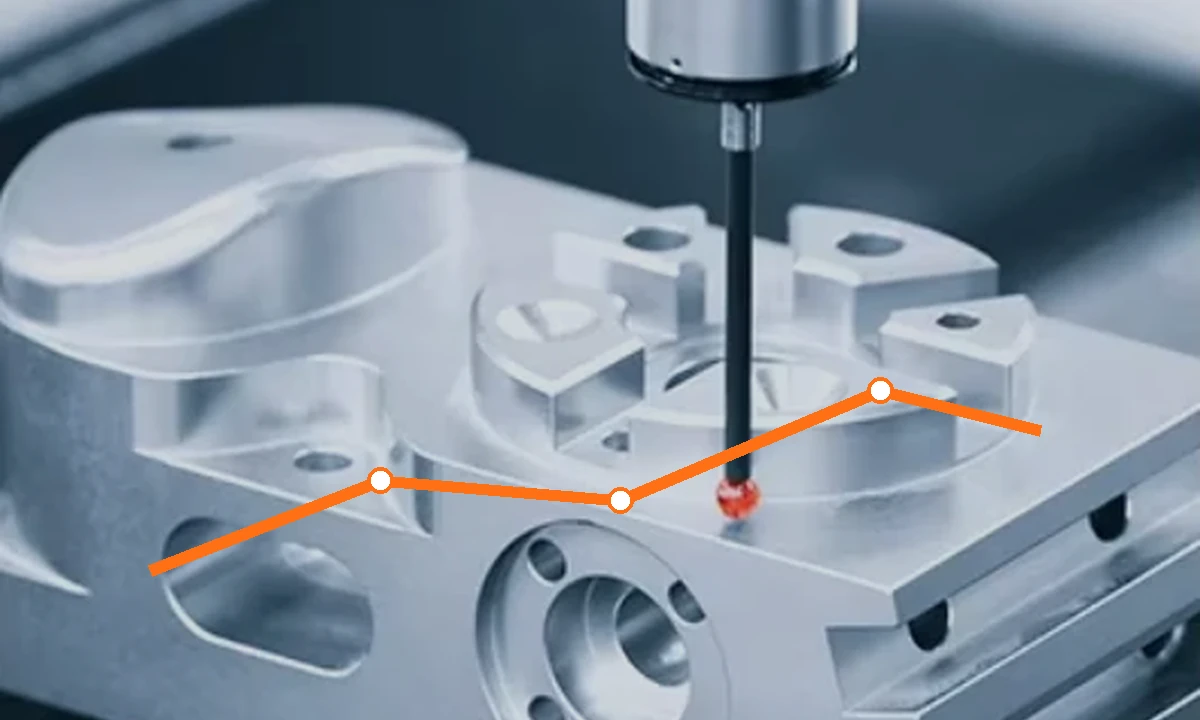
How mold fit, clamp force, pressure, wear and vent depth influence flash formation and long-term stability.
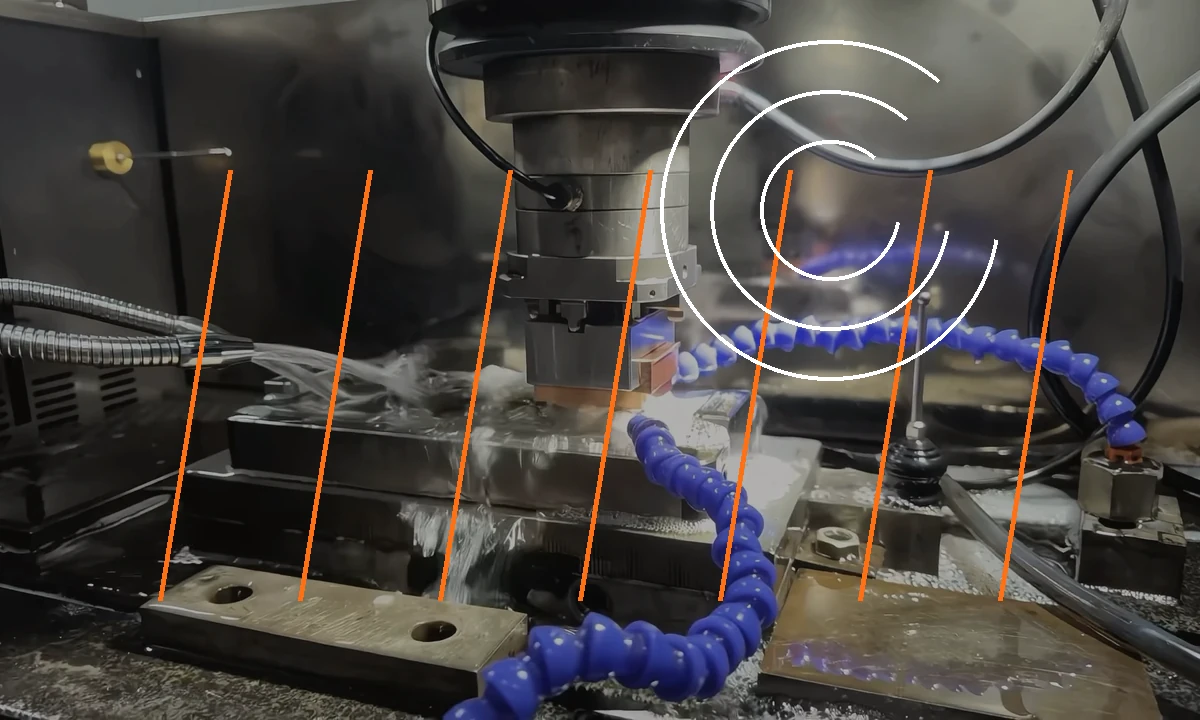
Why trapped gas creates burn marks, incomplete filling and unstable appearance, and how venting is designed and maintained.

How to protect high-gloss, textured, transparent and painted plastic parts during storage and international shipment.
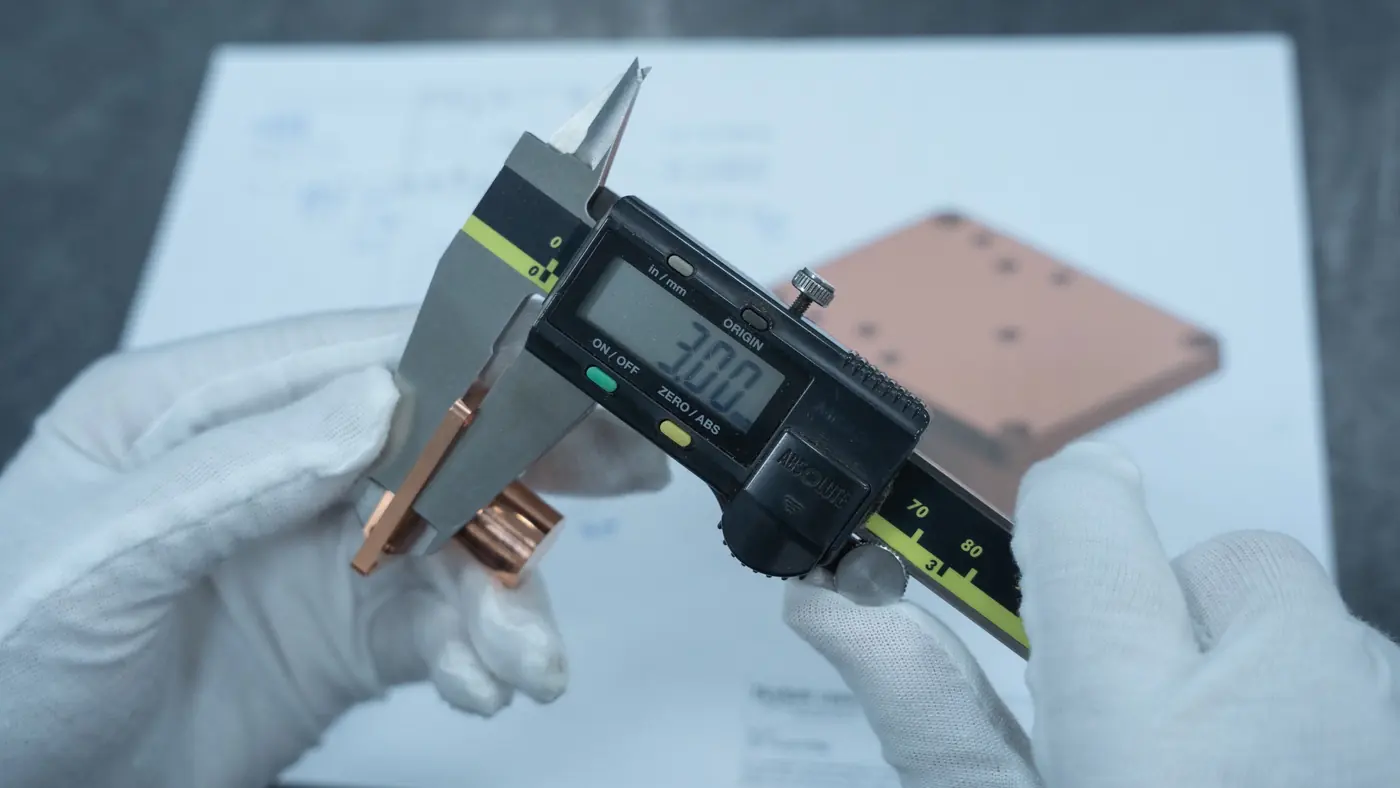
How to convert drawings and customer requirements into incoming, in-process and final inspection controls.
What Cpk can and cannot tell buyers about a molding process, and what is needed before capability data is meaningful.
What a useful FAI report should include for tooling approval, sample review and production release.
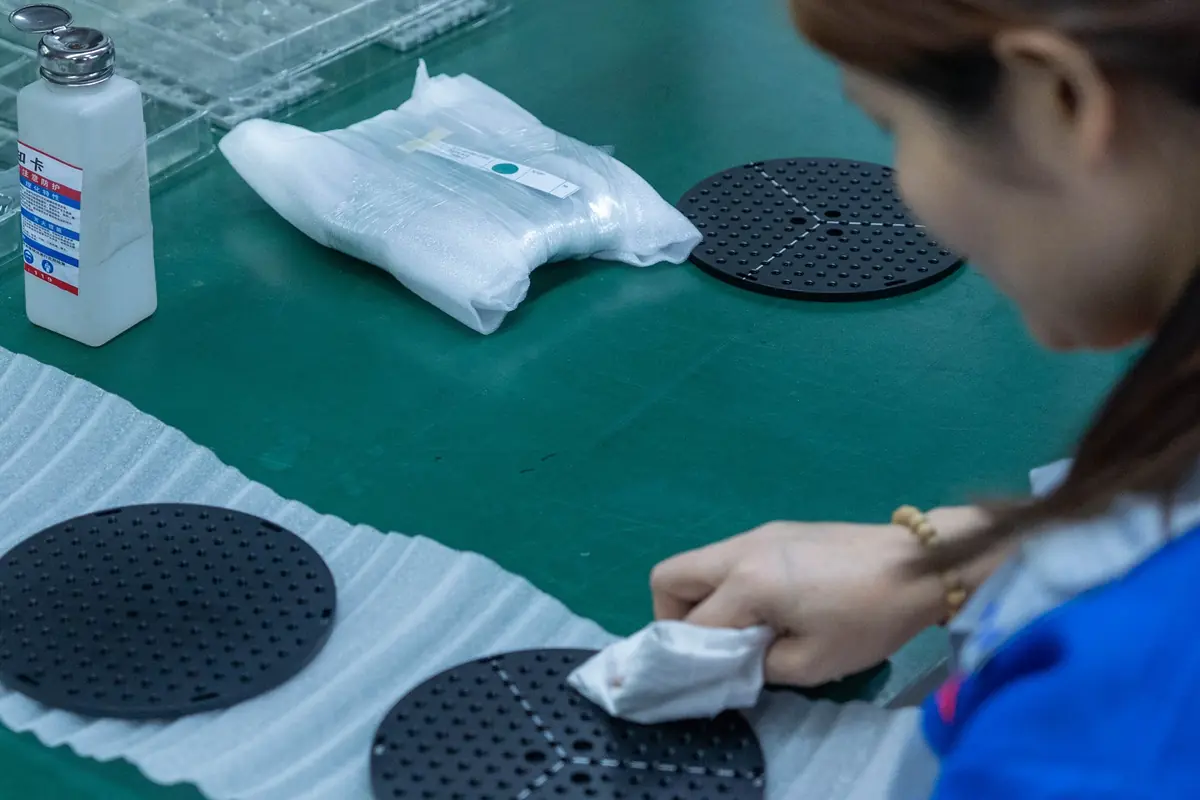
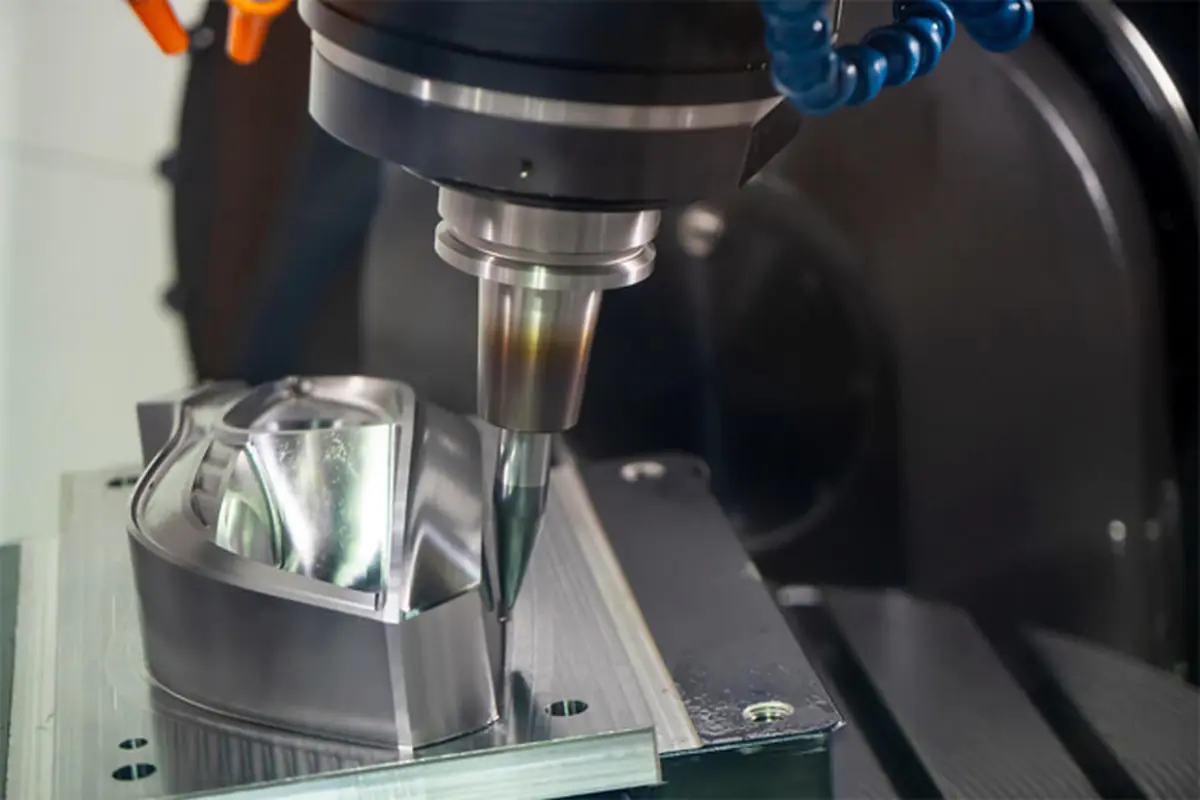
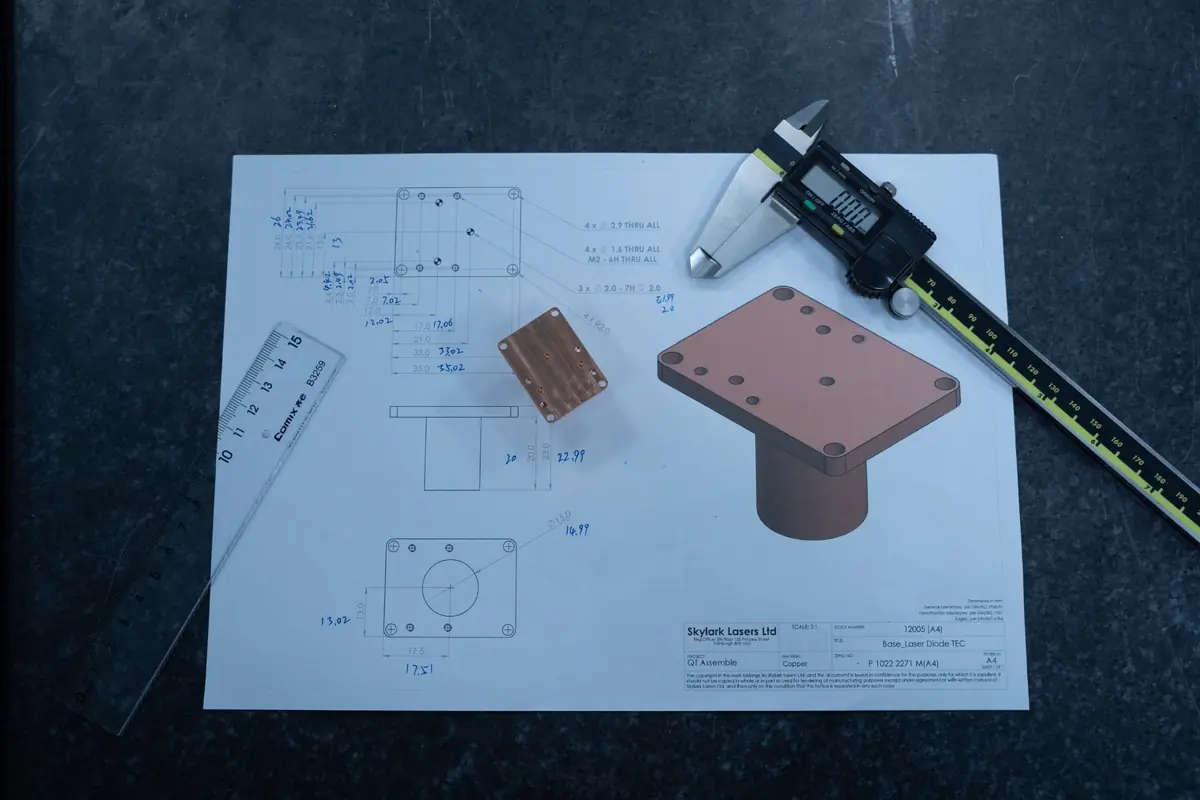
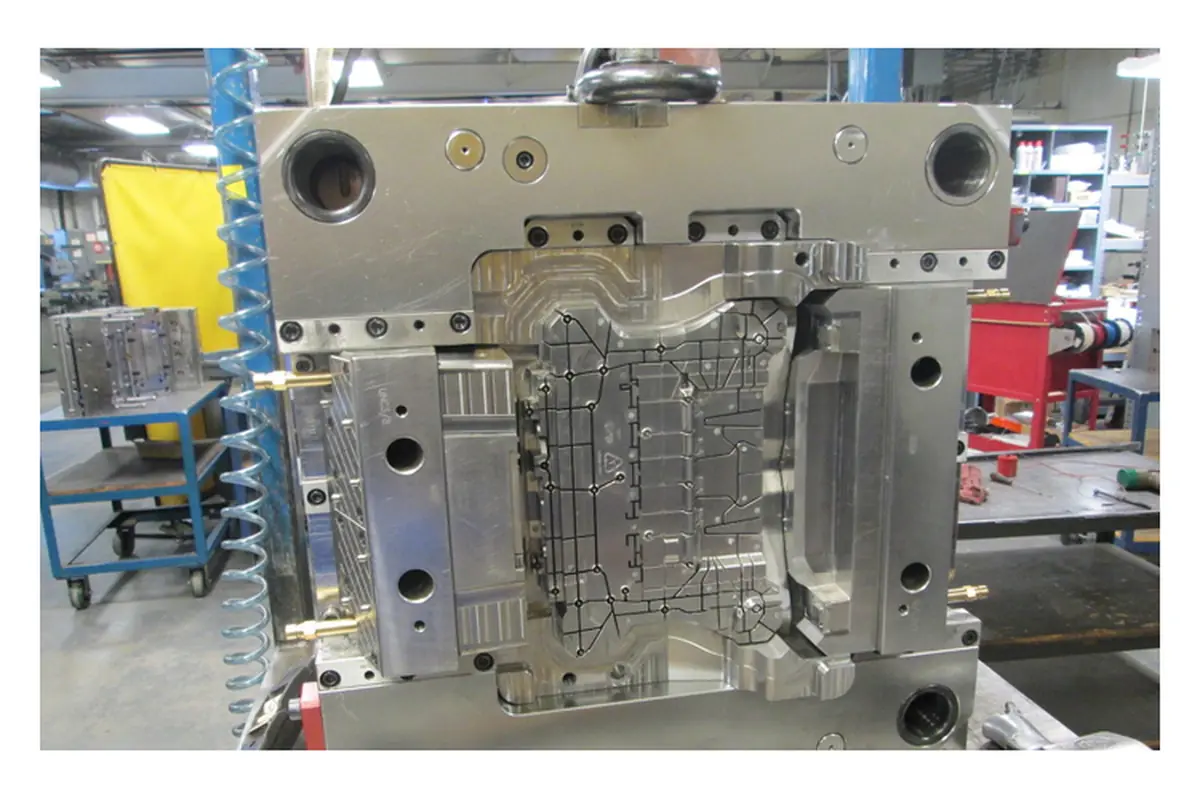
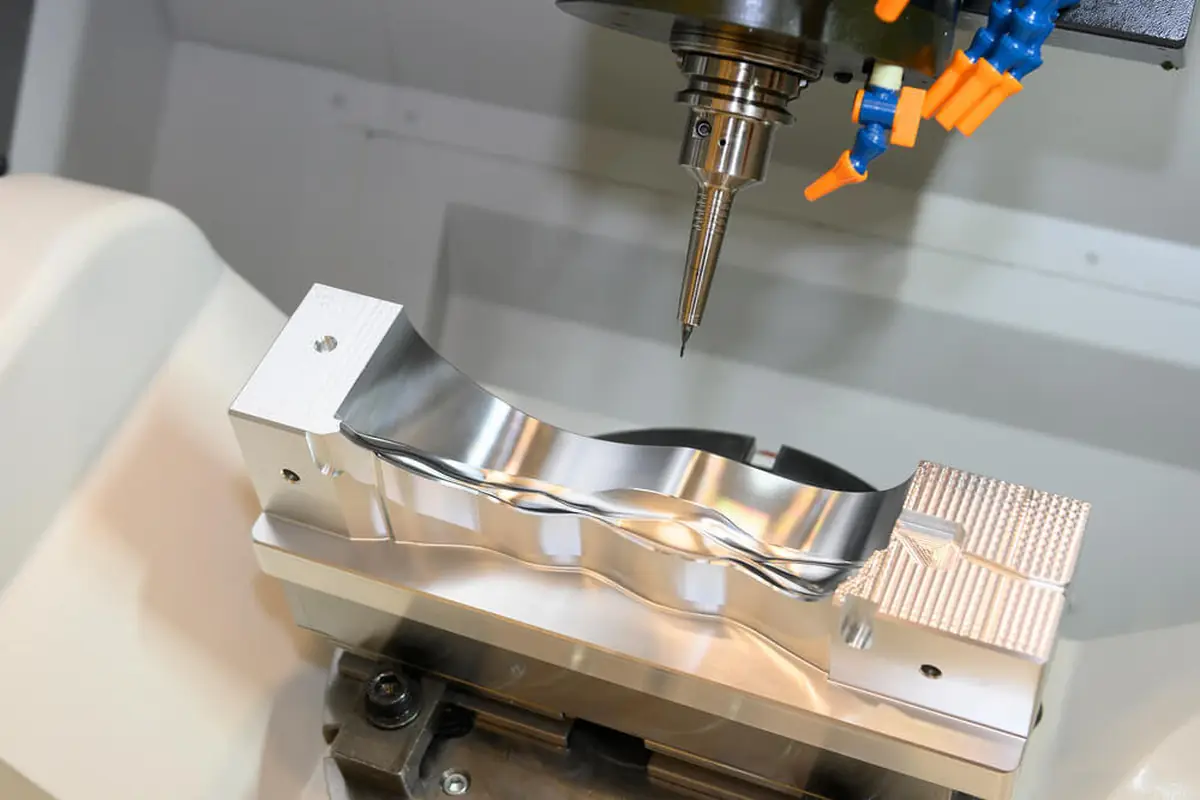
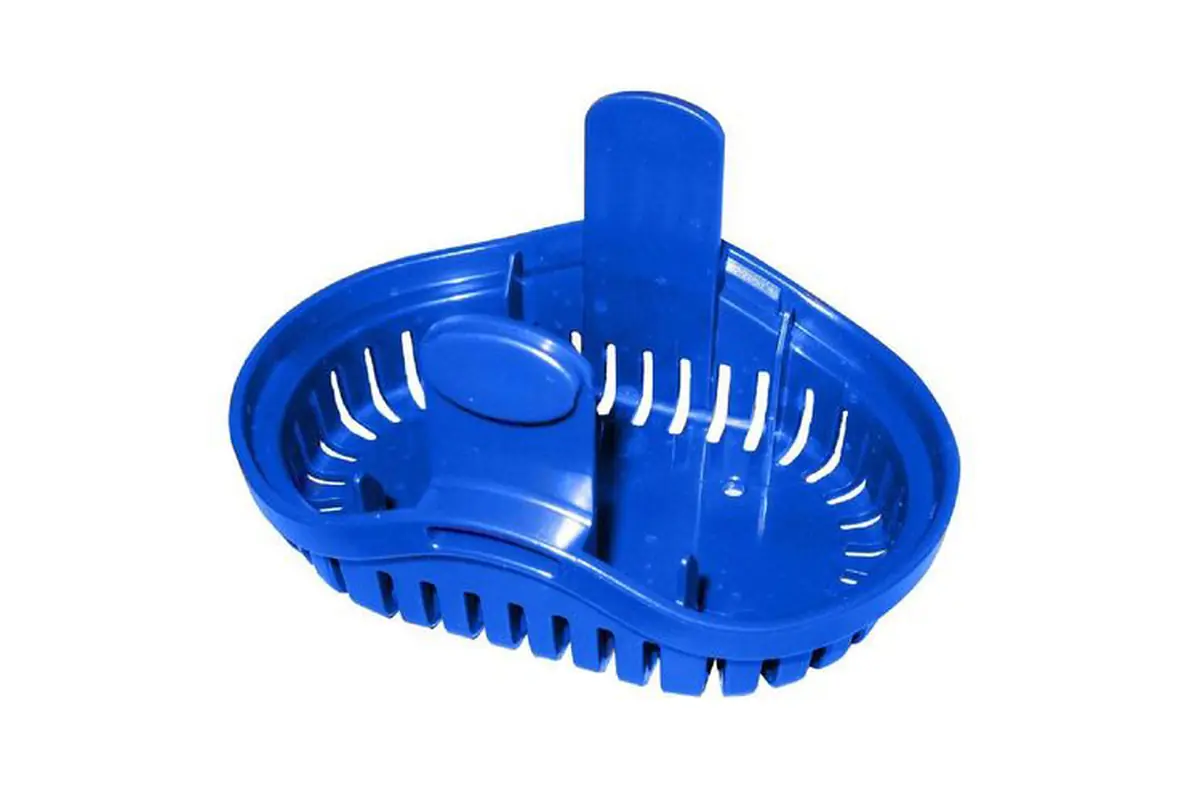
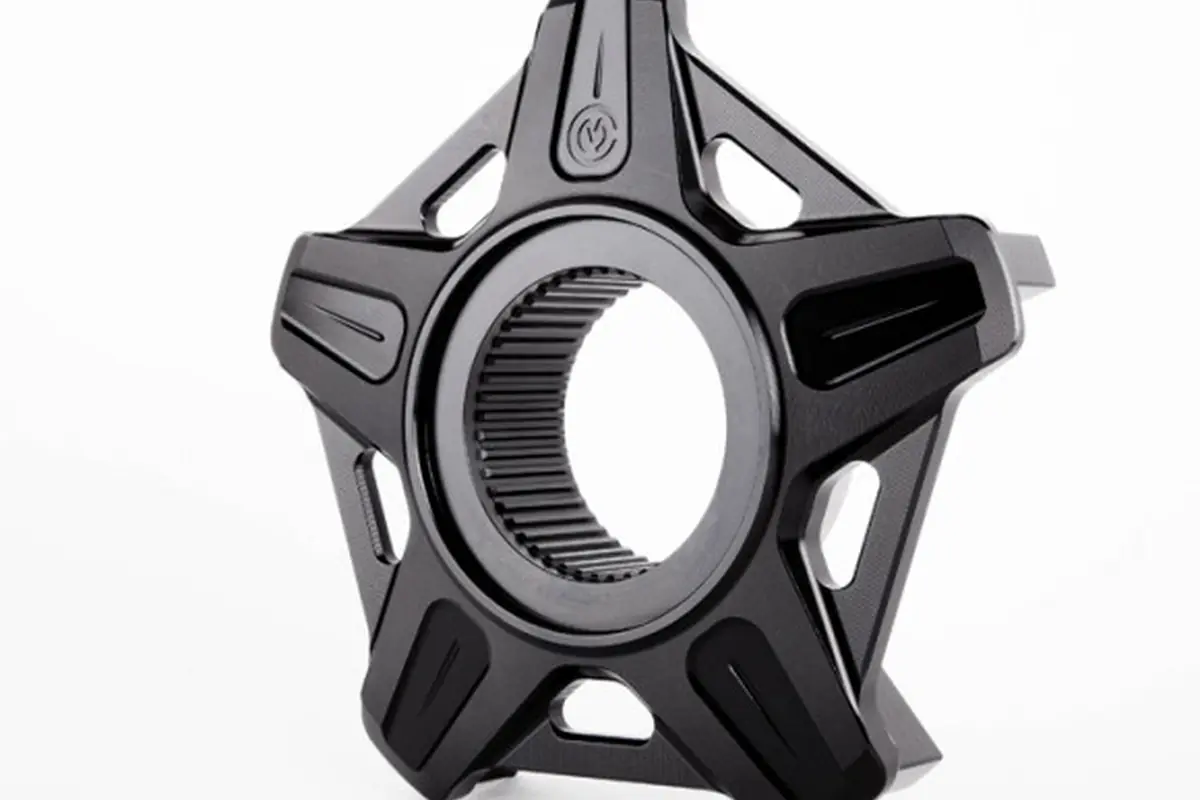
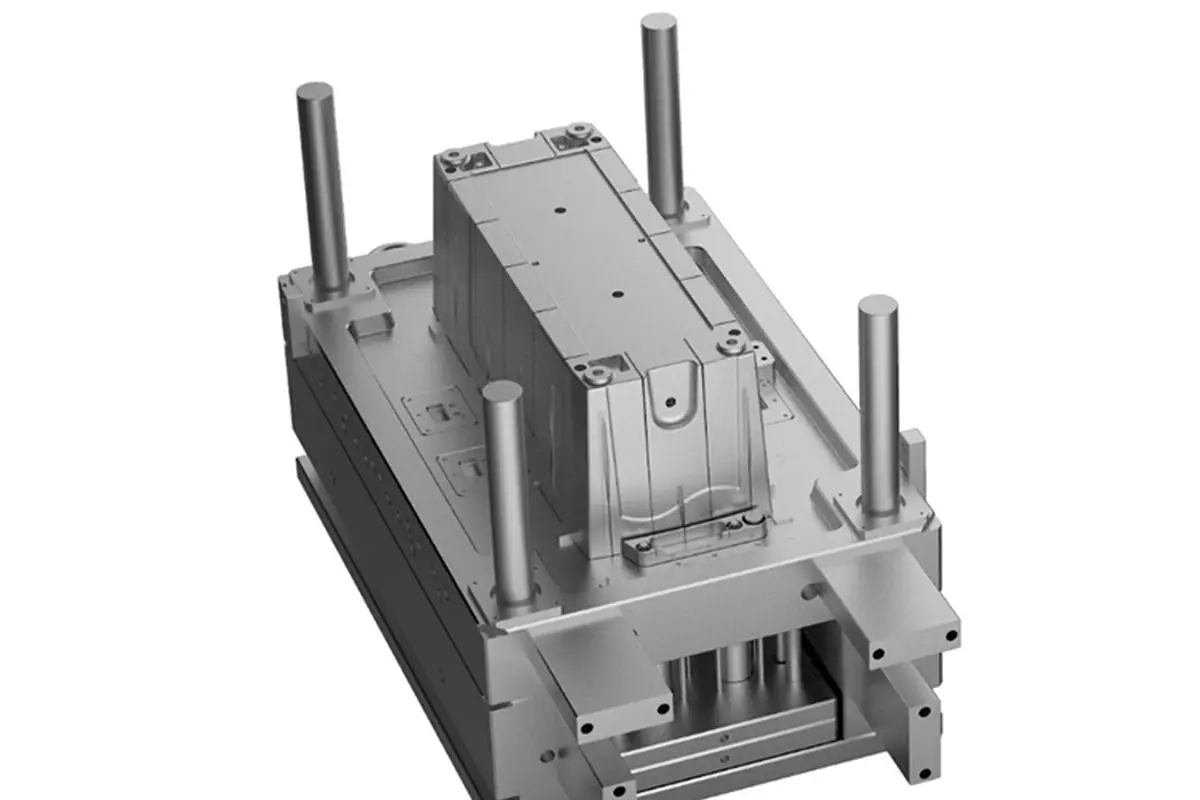
Review real project visuals before sending your drawings. This helps buyers understand the type of details we evaluate during DFM, tooling and production review.