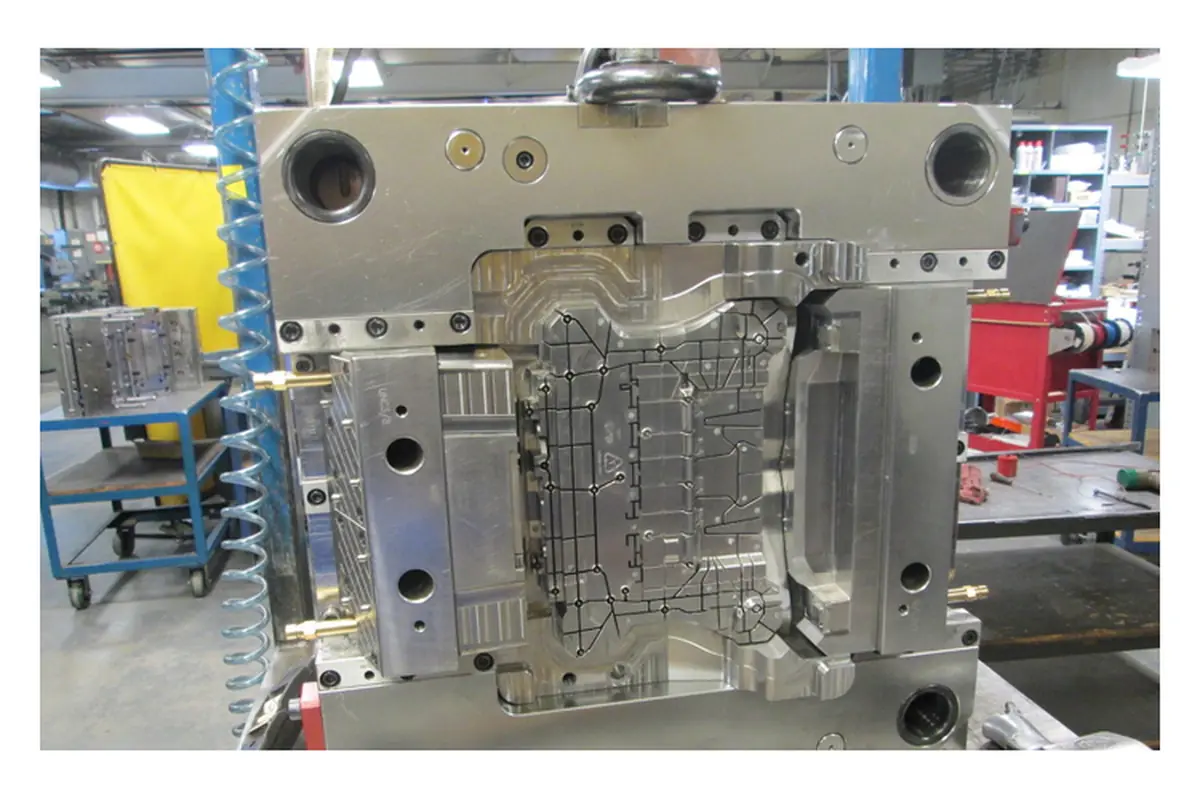
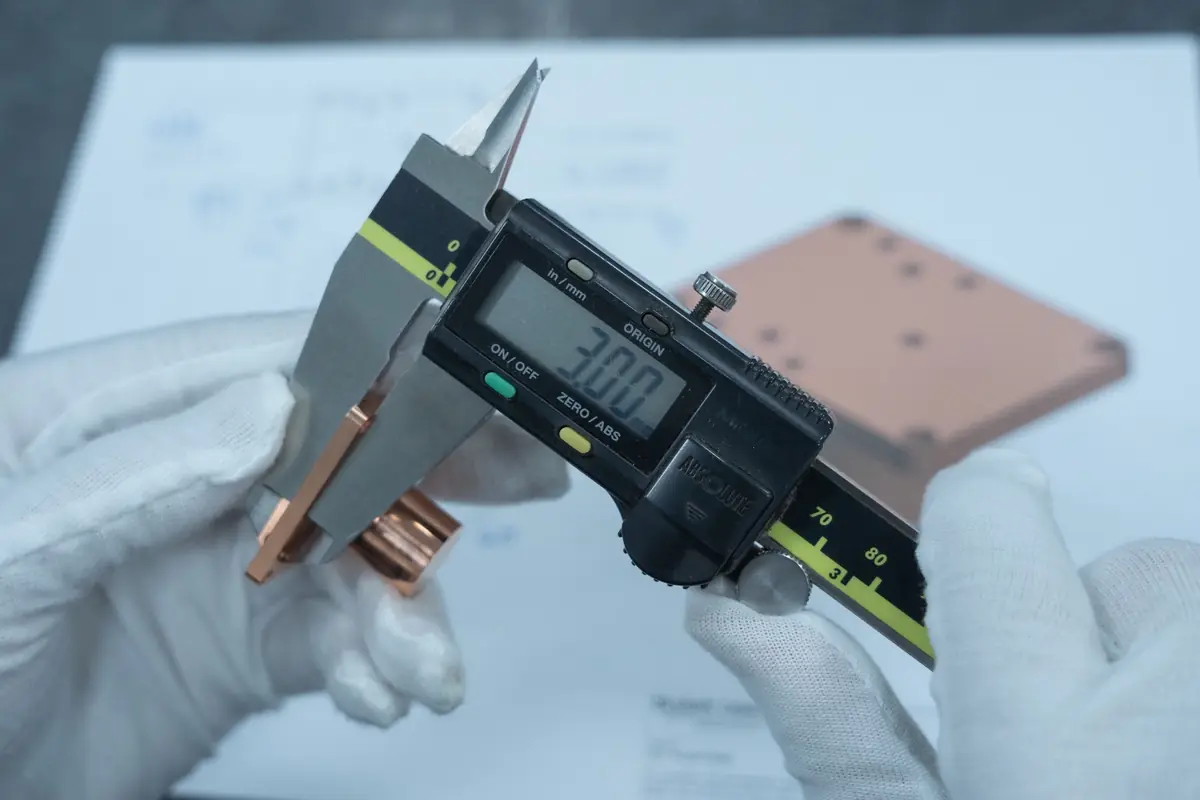
Mold Cooling Design to Reduce Cycle Time and Warpage
Why cooling layout is central to part quality, cycle time and long-term unit cost in injection molding.
Practical content about DFM, tooling, sampling, materials and RFQ preparation — written to support real project decisions.

These guides are built for overseas buyers comparing factories, preparing RFQs and deciding whether to open production tooling.
Why cooling layout is central to part quality, cycle time and long-term unit cost in injection molding.

A practical comparison of hot runner and cold runner systems for injection molds, including cost, waste, cycle time and volume decisions.
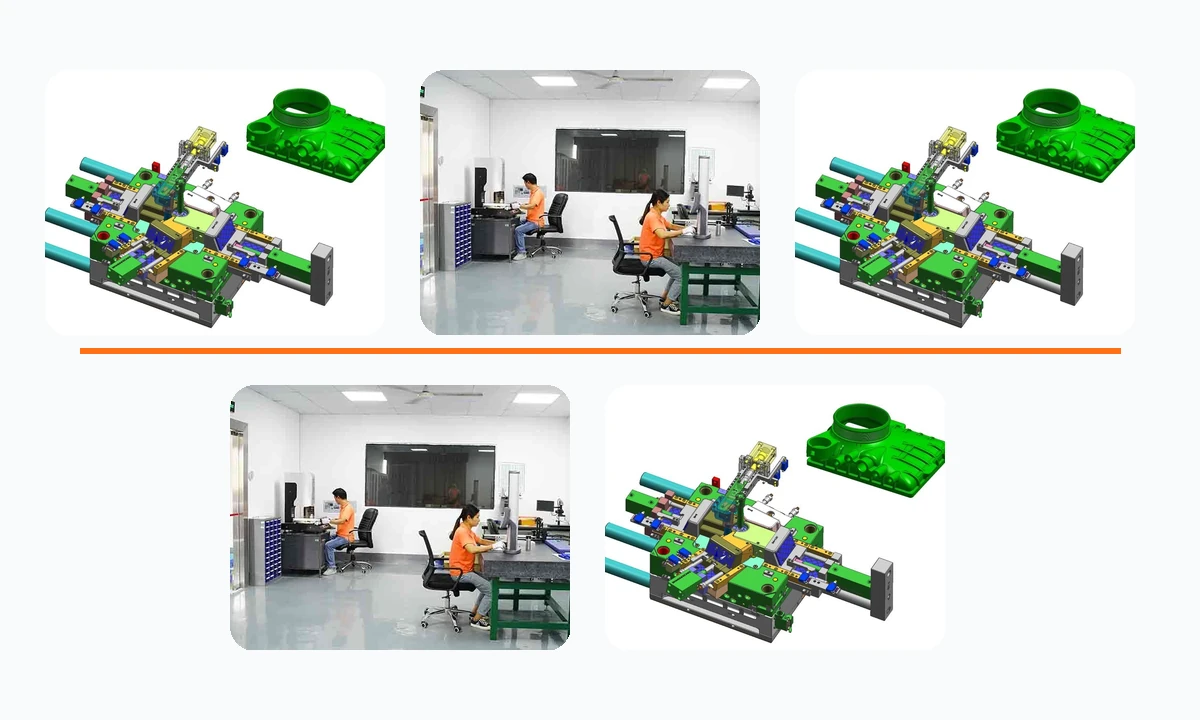
How cavity count affects mold investment, output, balancing, maintenance, capacity planning and unit price.
How resin, mold life, polishing, corrosion, wear and budget influence common injection mold steel choices.
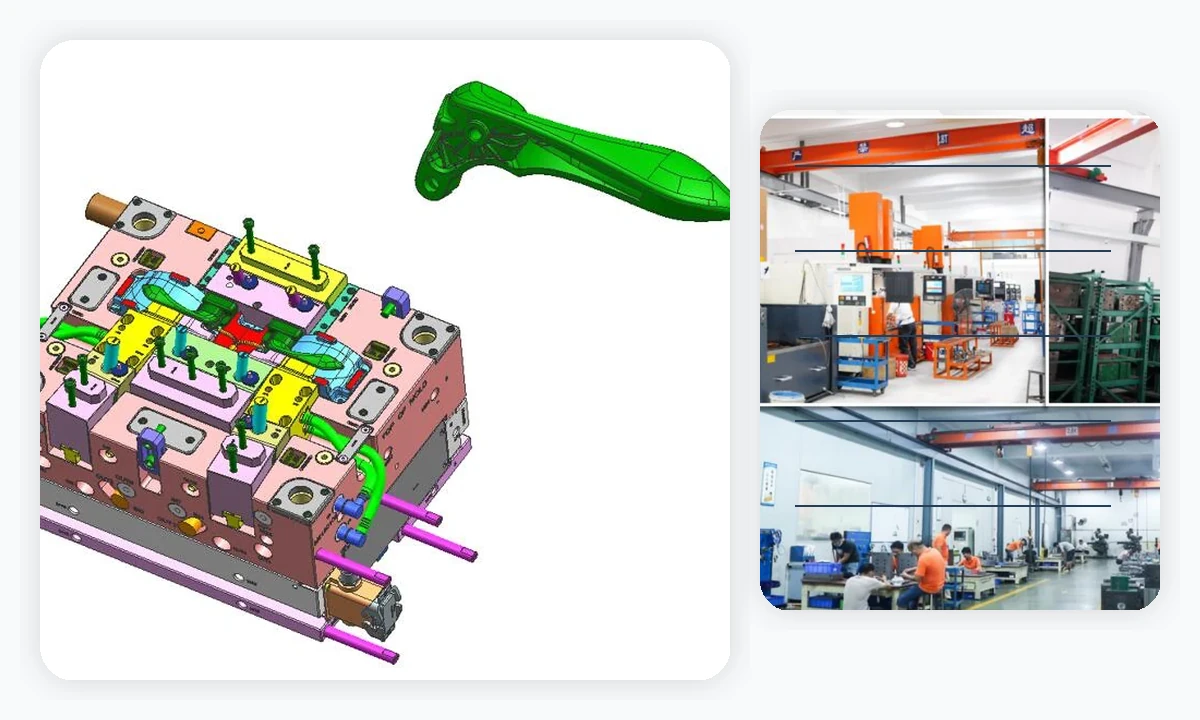
What buyers should include in a mold maintenance plan to protect uptime, quality and ownership records.
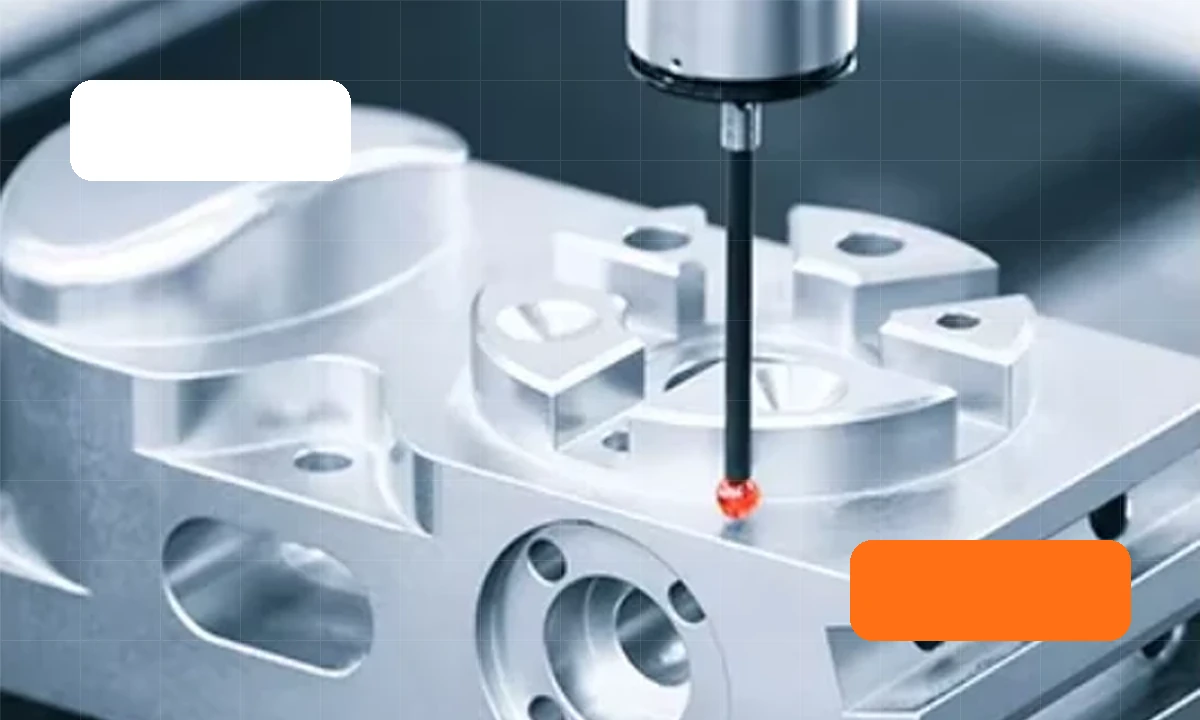
A structured sample-approval method covering appearance, dimensions, assembly, process stability and correction priorities.
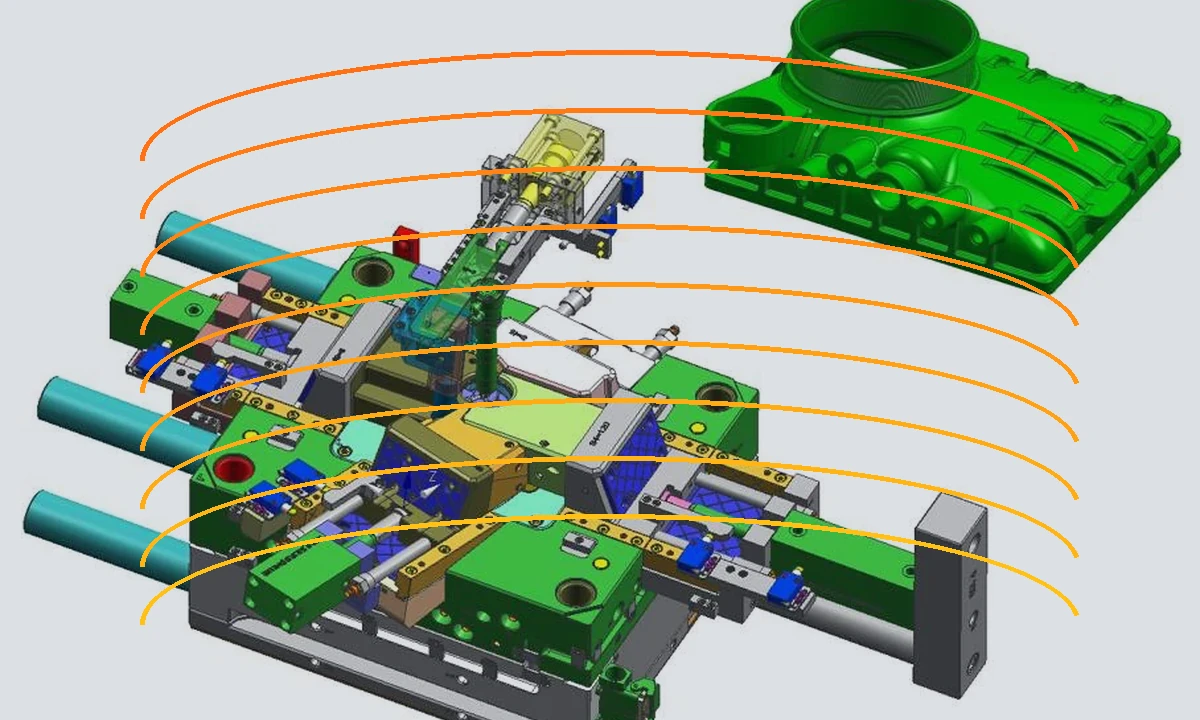
When simulation can reduce uncertainty around filling, weld lines, pressure, cooling and warpage—and when practical experience may be enough.
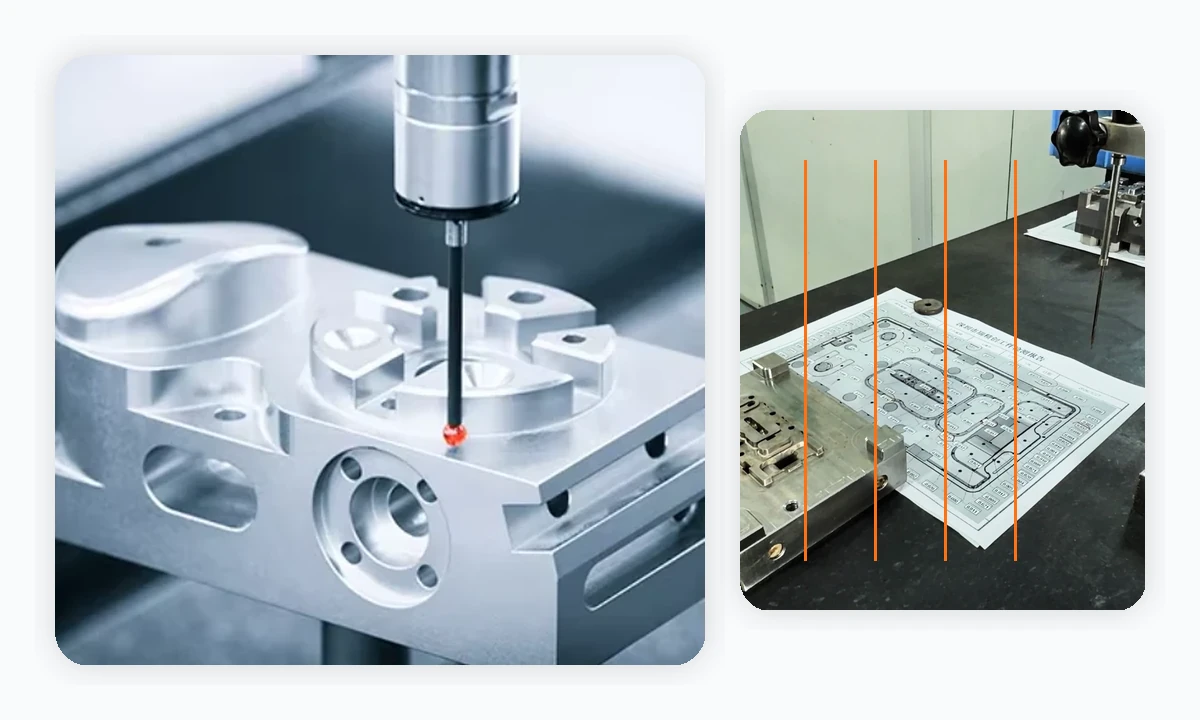
How to define realistic molded-part tolerances, datums and measurement methods before tooling begins.

How geometry, fiber orientation, packing, cooling and ejection combine to create warped plastic parts.
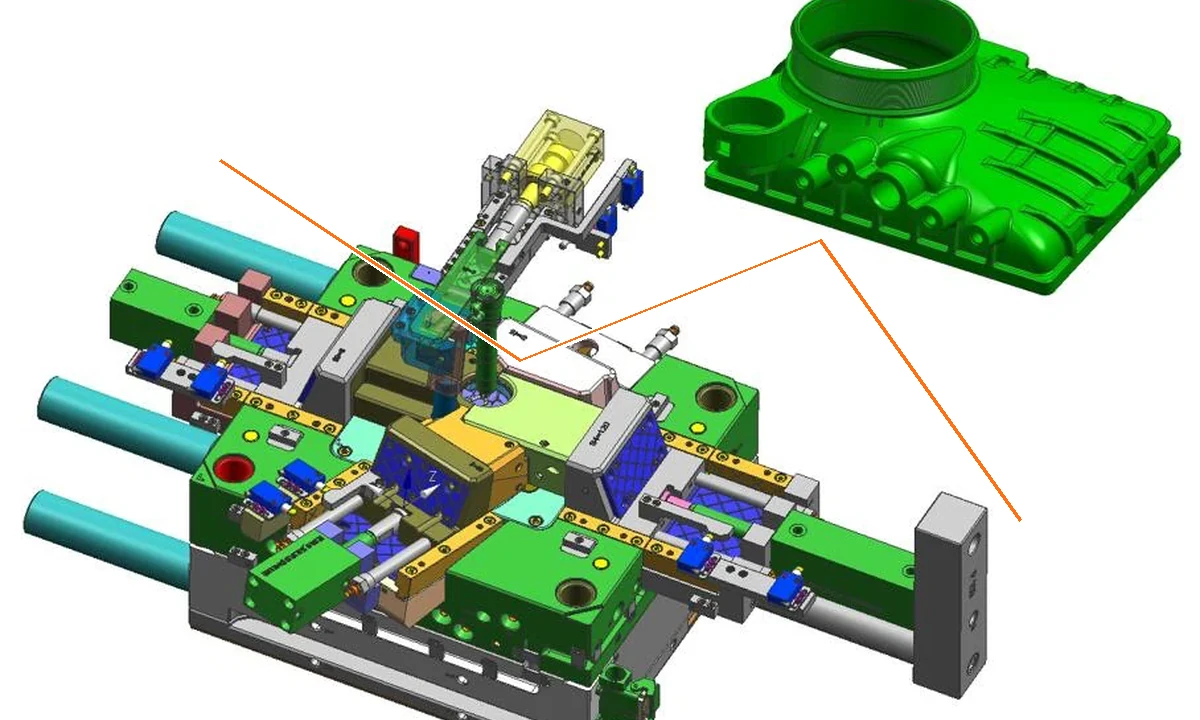
Why weld lines form, when they are cosmetic only, when they reduce strength and how design and tooling decisions can move them.
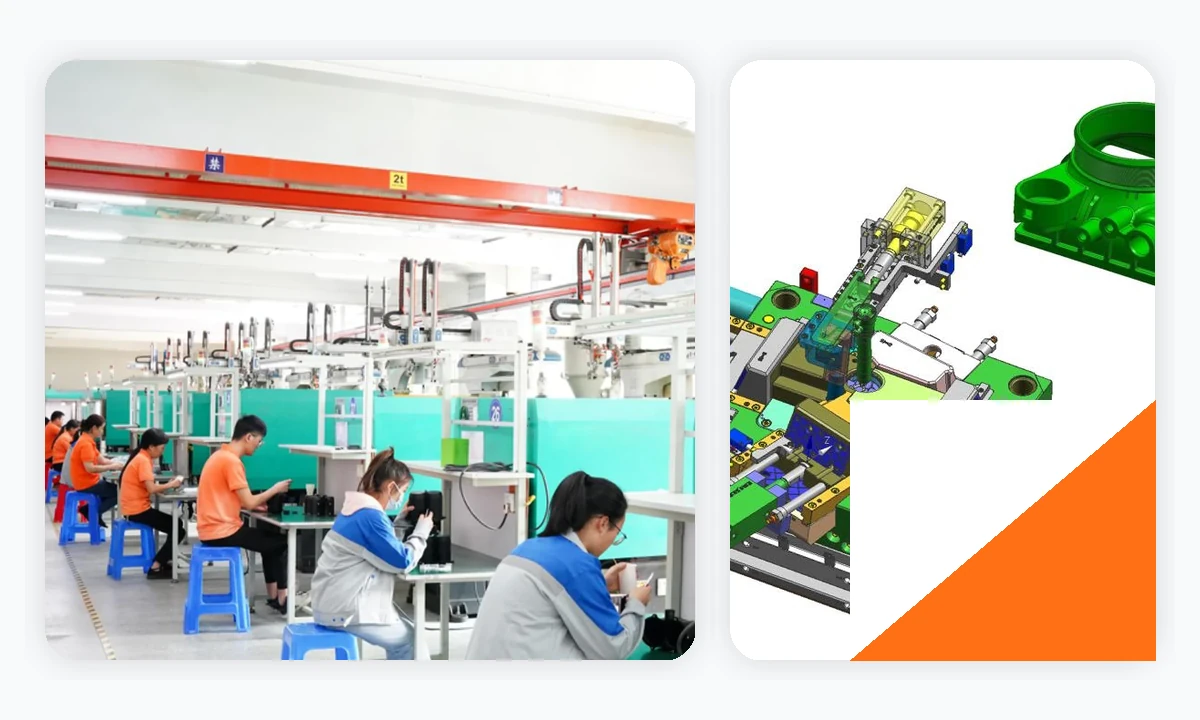
How to separate design, venting, material, machine and process causes when a cavity does not fill completely.
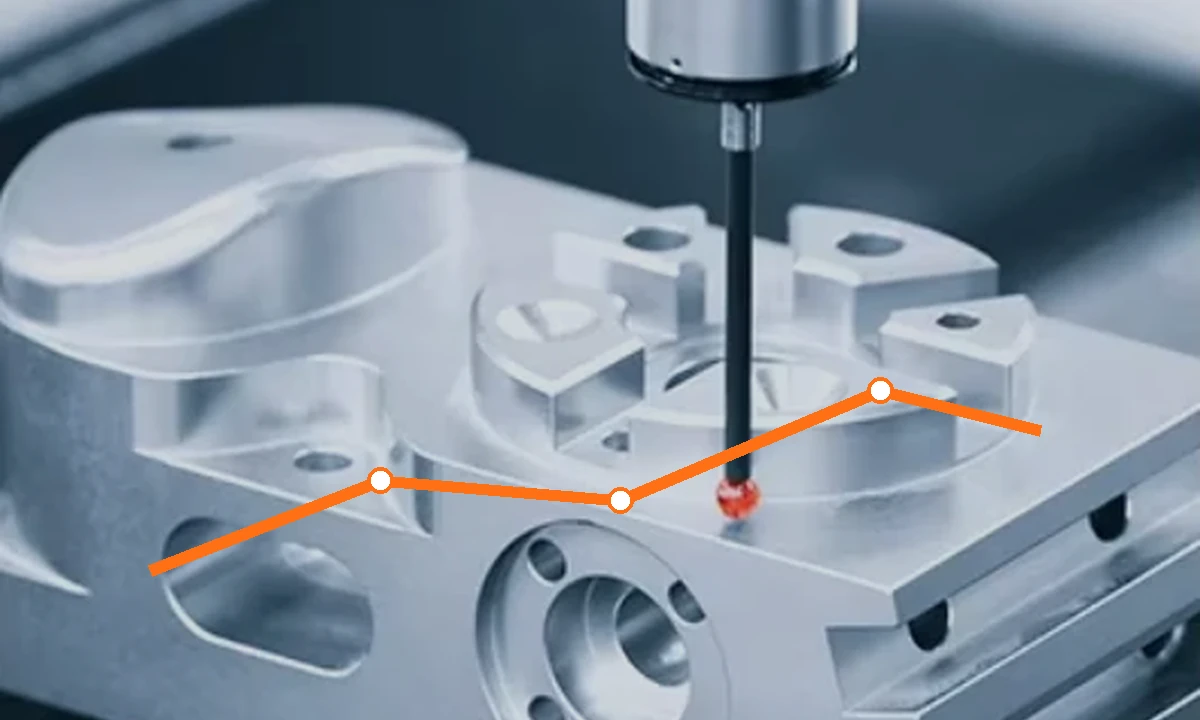
How mold fit, clamp force, pressure, wear and vent depth influence flash formation and long-term stability.
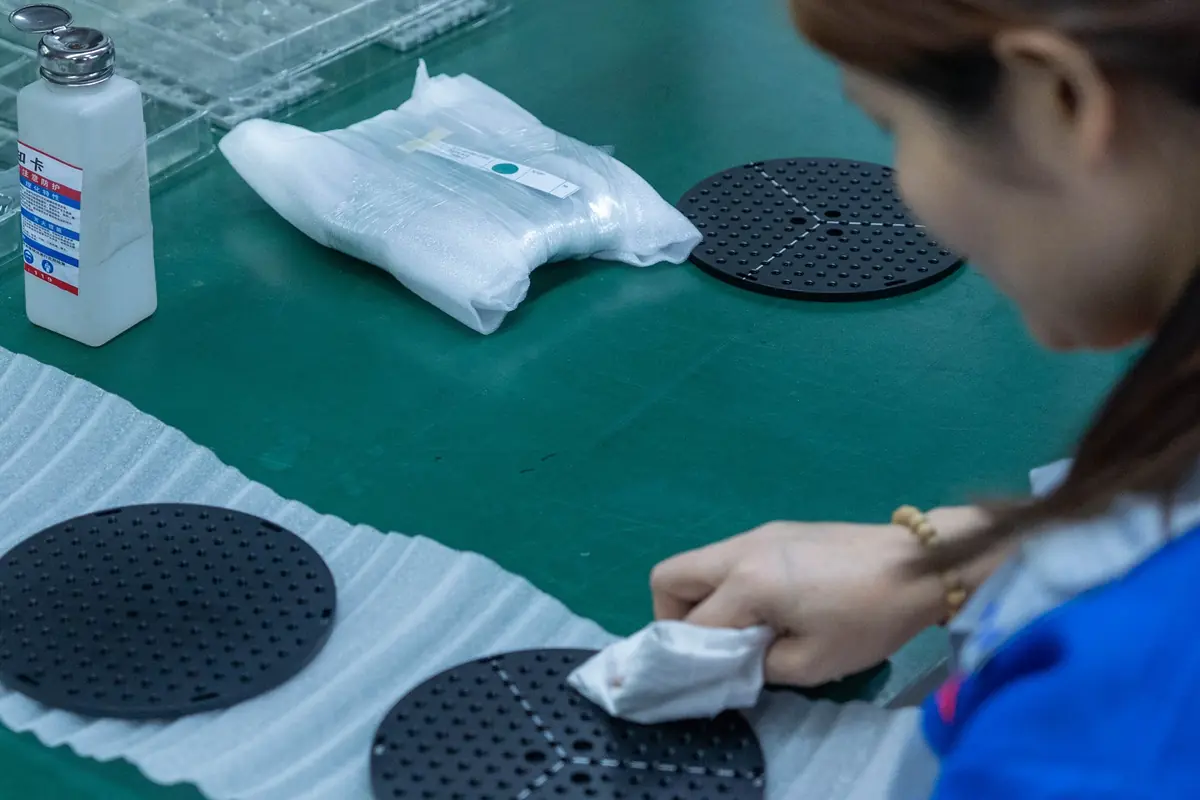
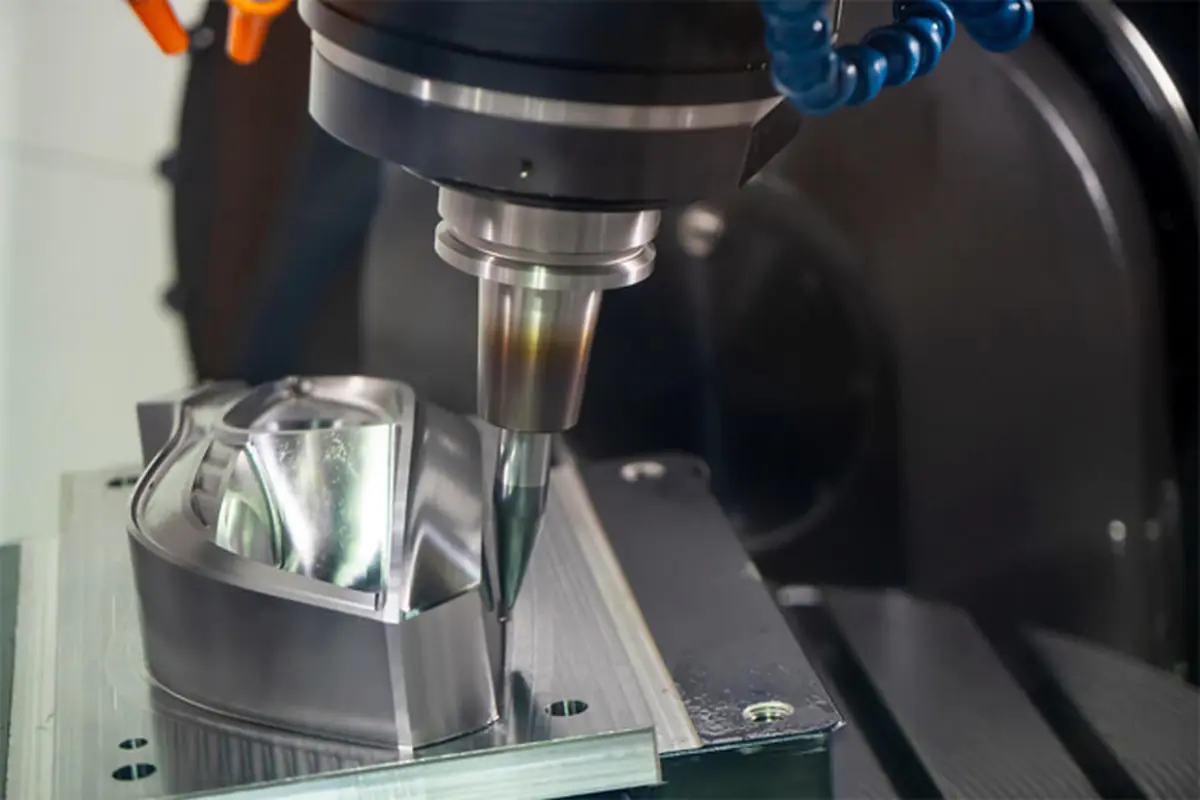
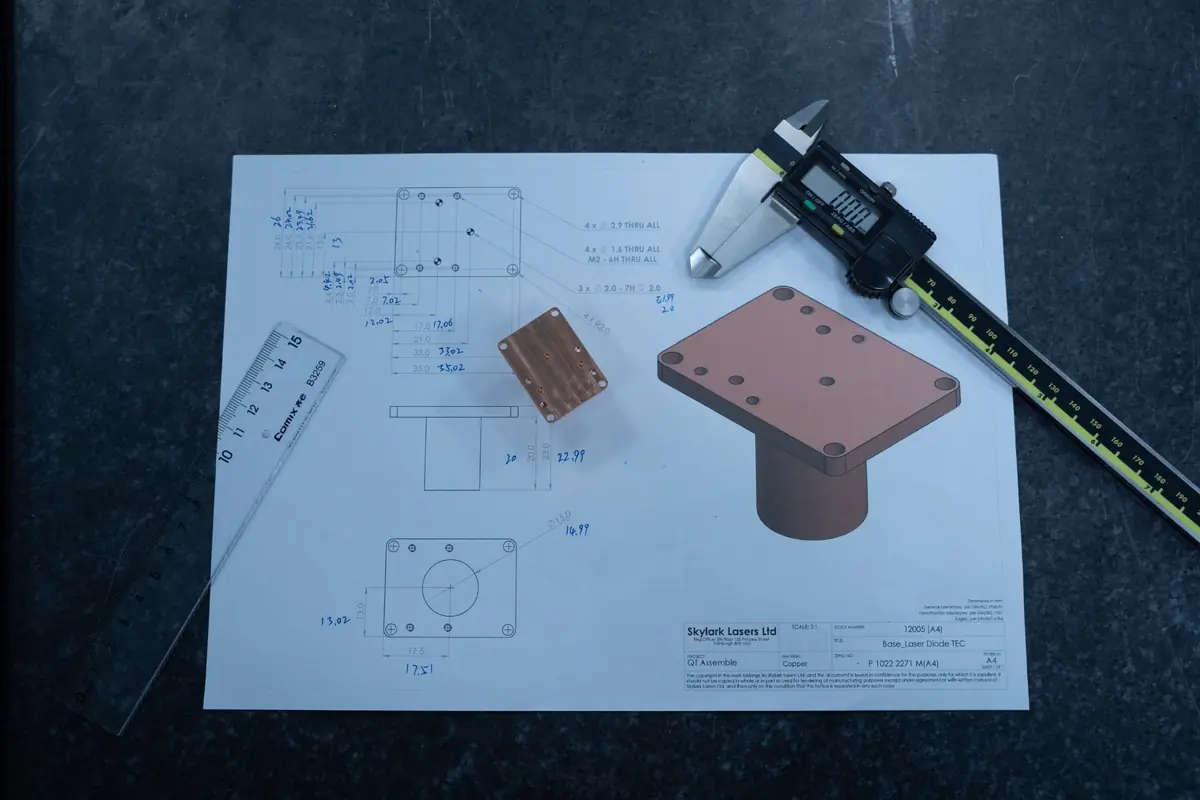
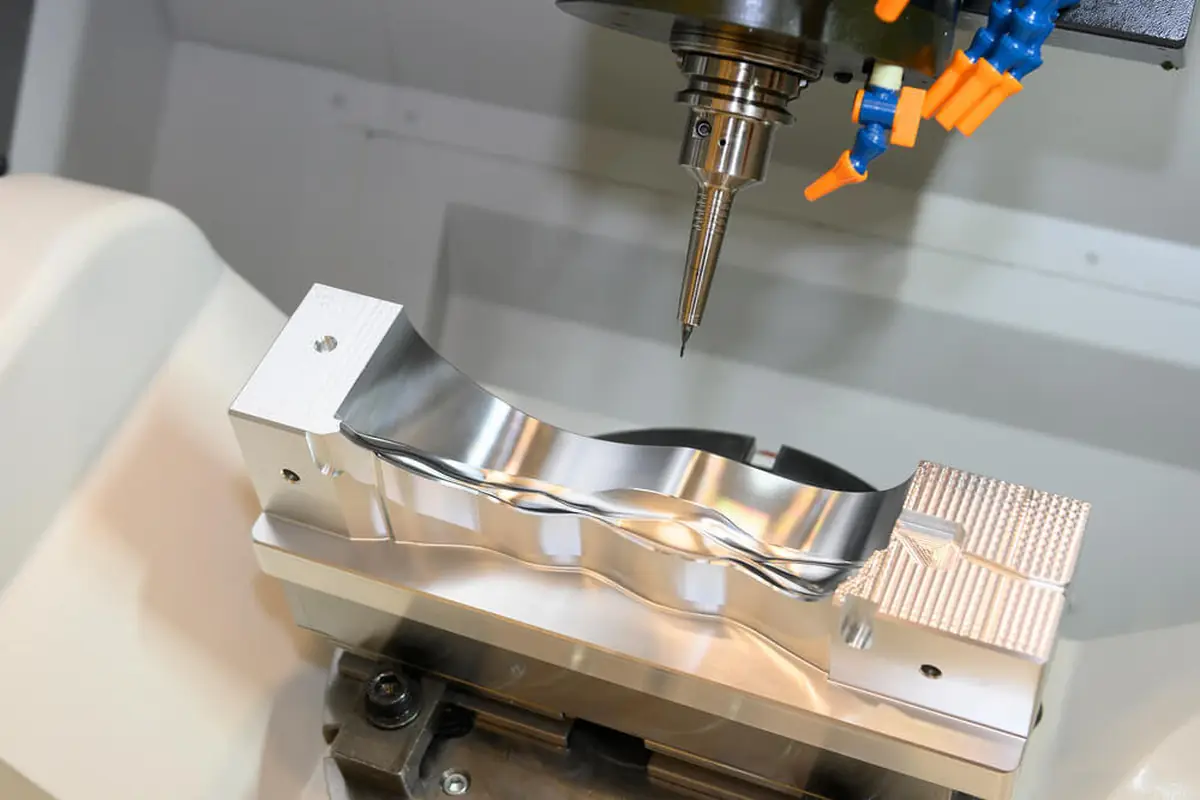
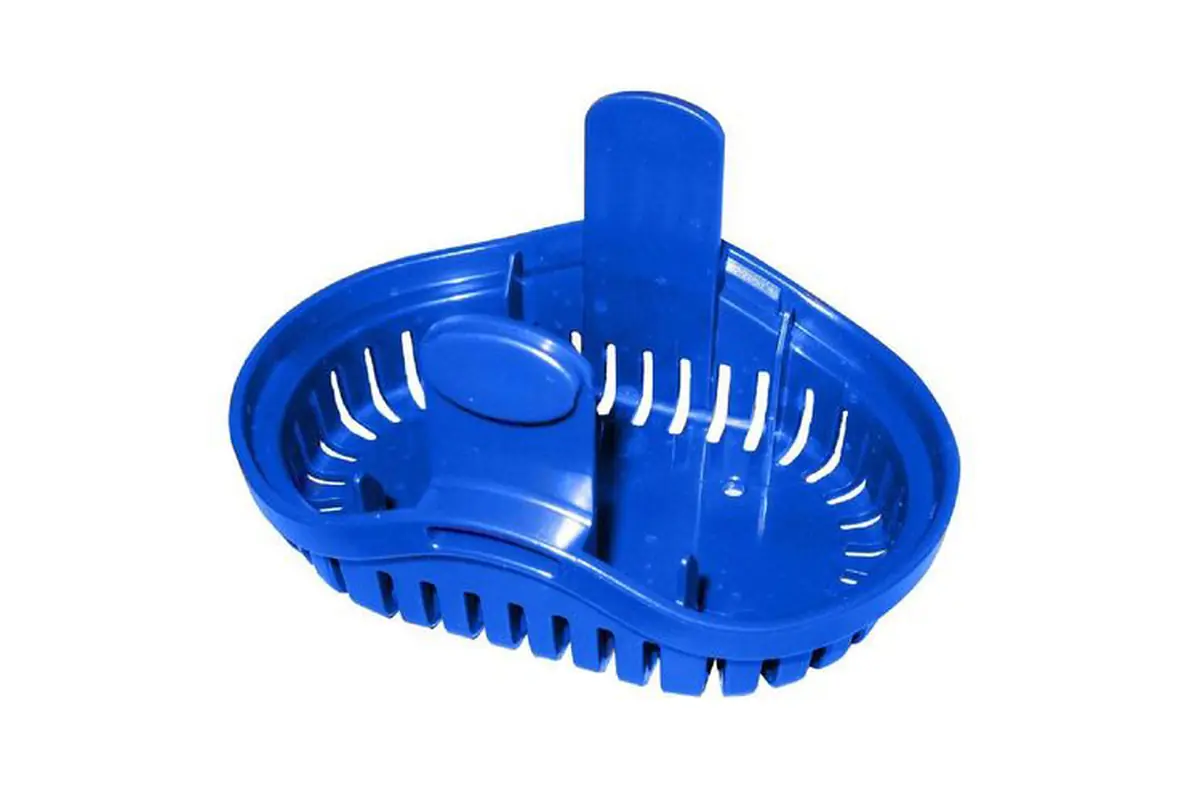
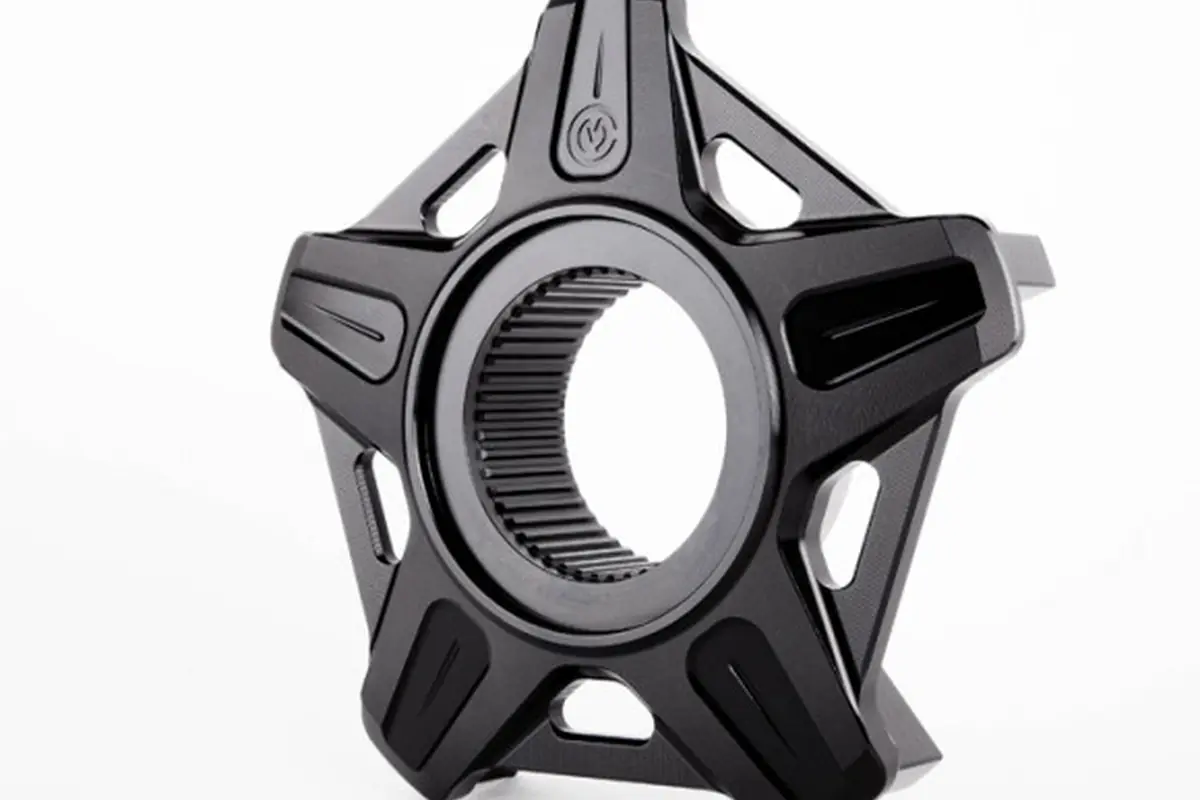
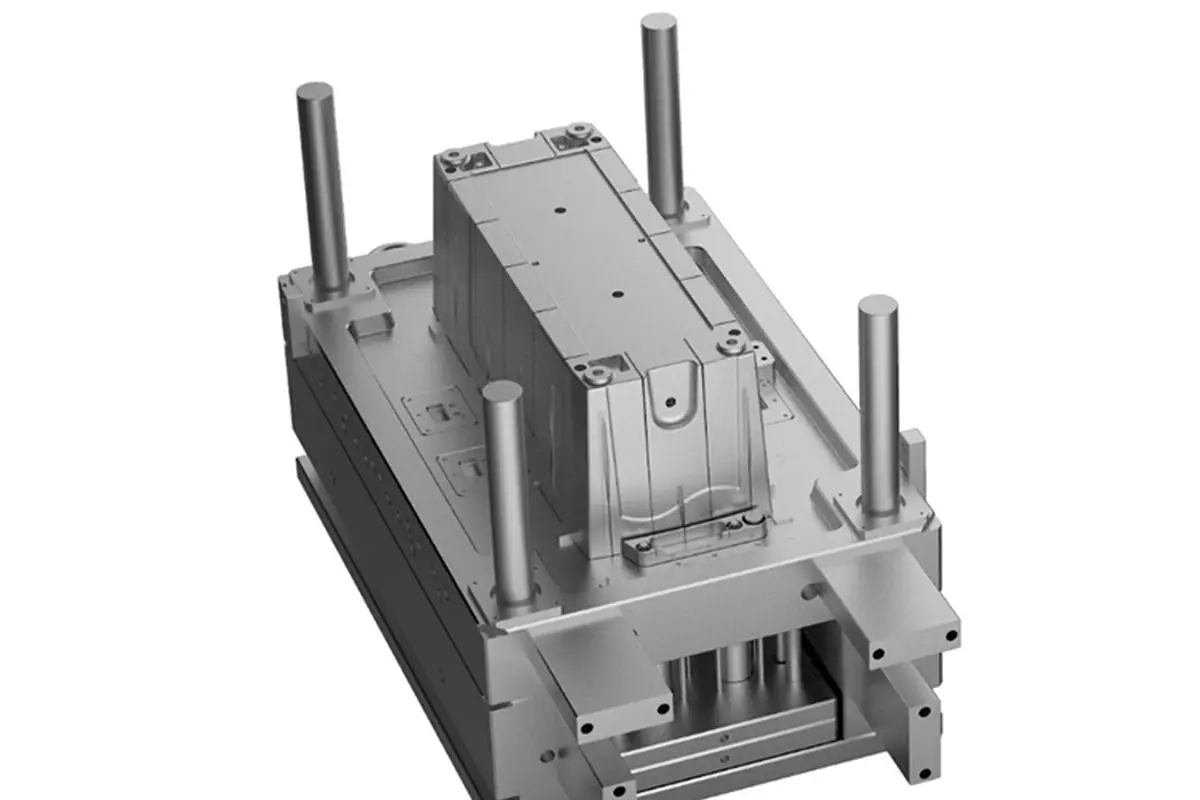
Review real project visuals before sending your drawings. This helps buyers understand the type of details we evaluate during DFM, tooling and production review.